Author: adminus1

  • April 1946, Warsaw: The handshake amidst the ruins .US

    April 1946, Warsaw: The handshake amidst the ruins .US

    April 1946, Warsaw: The handshake amidst the ruins

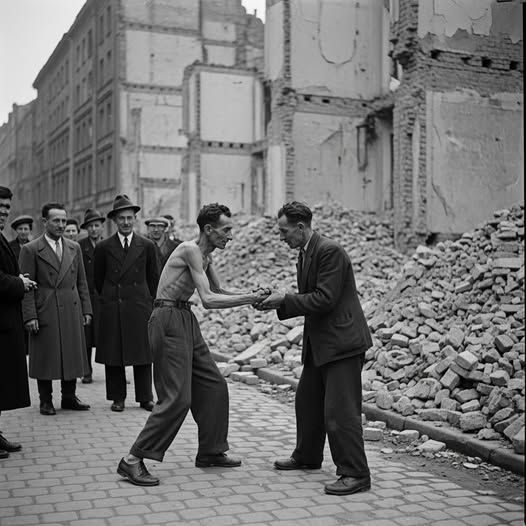
    Warsaw, April 1946. On a street gutted by bombing, between gaping facades and still-smoldering rubble, two men stopped face to face. The scene seemed unreal, almost staged by fate. One, wearing baggy trousers and with a skeletal torso, seemed to have stepped out of another world. The other, slightly better dressed, had hollow features, but in his eyes shone a spark that no war had managed to extinguish. Passersby slowed down, intrigued. What was going on there, amidst the ruins? A simple greeting? No. It was an immediate recognition, a brutal return to a time when Warsaw was still alive, before the world had fallen into the abyss.

    This gesture, this handshake that seemed to suspend time, was not just that of two survivors: it was that of two childhood friends, brutally torn from each other when the deportations took millions of lives. At that precise moment, no one yet knew what they had been through. But a silent truth hung in the air, as if behind their gazes hid stories that official history had never dared to write.


    In the streets of destroyed Warsaw, every stone held a memory. Bullet-riddled walls spoke of summary executions, collapsed cellars whispered the cries of missing children. But on that April day in 1946, amidst this deathly scenery, life found its voice again. These two men, separated by camps, barbed wire, and the long night of Nazi occupation, had found each other again. But why there, precisely, at the corner of this street, among these silent spectators? Some later swore they saw in their gestures a warning, as if their handshake contained a promise or a secret they dared not say aloud.

    Their bodies spoke for them. The first man’s bare torso, marked by hunger and deprivation, spoke of the shadow of the concentration camps. His friend, though seemingly more robust, held his hand with such intensity that it was almost painful. Between them, there were no words. What was the point? They knew. And those watching them knew too, without really understanding. As if everyone perceived that this scene contained more than a simple encounter: a hidden fragment of history, a living testimony that no one had yet dared to write down in black and white.


    It must be remembered that in 1946, Warsaw was nothing more than an open-air cemetery. The city, martyred by the insurrection and razed by German fury, was slowly being reborn, stone by stone, thanks to the hands of its inhabitants. But in the eyes of these two reunited friends, one could sense another reconstruction, more intimate, more fragile: that of trust, memory, and shared silence. They did not recount what they had seen. They had no need of words to convey the unspeakable. And yet, the witnesses of this scene remained forever marked, as if they had witnessed the opening of a hidden chapter of History, whose pages were still missing from the books.

    SEO obliges, it must be remembered: this photograph of Warsaw in 1946 symbolizes more than a simple encounter. It evokes survival after the Holocaust, the reconstruction of a destroyed Poland, and the inextinguishable need for humanity after barbarism. Readers often seek out little-known war stories, true stories of friendship, survival, and memory. Here, all of this is condensed into a single image. A handshake. Two gazes. And ruins as silent witnesses.


    The crowd around them was no accident. Men in dark coats, hats screwed on their heads, looked on gravely. Some offered shy smiles, others seemed to be holding back a tear. But everyone understood that they were witnessing something beyond the simple setting of a destroyed street. Later, some said they had heard one of the two whisper a name. Was it that of a missing person? A brother? A mutual friend who had never returned from the camps? No one really knew. But that name, whispered in the icy April wind, still floated years later in the memories of those who had witnessed this encounter.


    This scene, captured by a photographer whose exact identity is still unknown, continues to raise questions. Was it an impromptu or arranged encounter? Was it truly chance that brought these two survivors together that day? Or was there behind this image a desire to bear witness, to offer the world proof of humanity in the midst of chaos? The archives are silent. But the mystery remains, and perhaps it’s for the best. For this silence forces us to look at the image more closely, to search in every detail—the trembling gesture, the bare torso, the gazes of the witnesses—for a truth that cannot be written, but can be guessed.


    In April 1946, amidst the ruins of Warsaw, two men met. This simple gesture, a handshake transformed into an embrace, became a symbol more powerful than any words. For behind this image, there are still secrets that history has never revealed. And perhaps the most moving thing is not what we see… but what we guess.

    Note: Some content was generated using AI tools (ChatGPT) and edited by the author for creativity and suitability for historical illustration purposes.
  • The Red Scarf of Treblinka: Memory, Defiance, and Humanity Amid the Holocaust .US

    The Red Scarf of Treblinka: Memory, Defiance, and Humanity Amid the Holocaust .US

    The Red Scarf of Treblinka: Memory, Defiance, and Humanity Amid the Holocaust

    In 1943, inside the barbed-wire hell of Treblinka, one of the most notorious extermination camps in Poland, history seemed to collapse into silence. Millions of voices were erased, families broken apart in the shadow of gas chambers, and personal belongings were scattered into piles — stripped from men, women, and children within minutes of their arrival. The Nazis designed Treblinka not only as a place of death but as a factory of erasure, where human identity was meant to vanish into smoke.

    Yet, among the horror, fragments of humanity surfaced. Sometimes it was a whispered prayer, sometimes the hidden act of sharing a crumb of bread. And sometimes, it was something as simple and quiet as a piece of cloth.

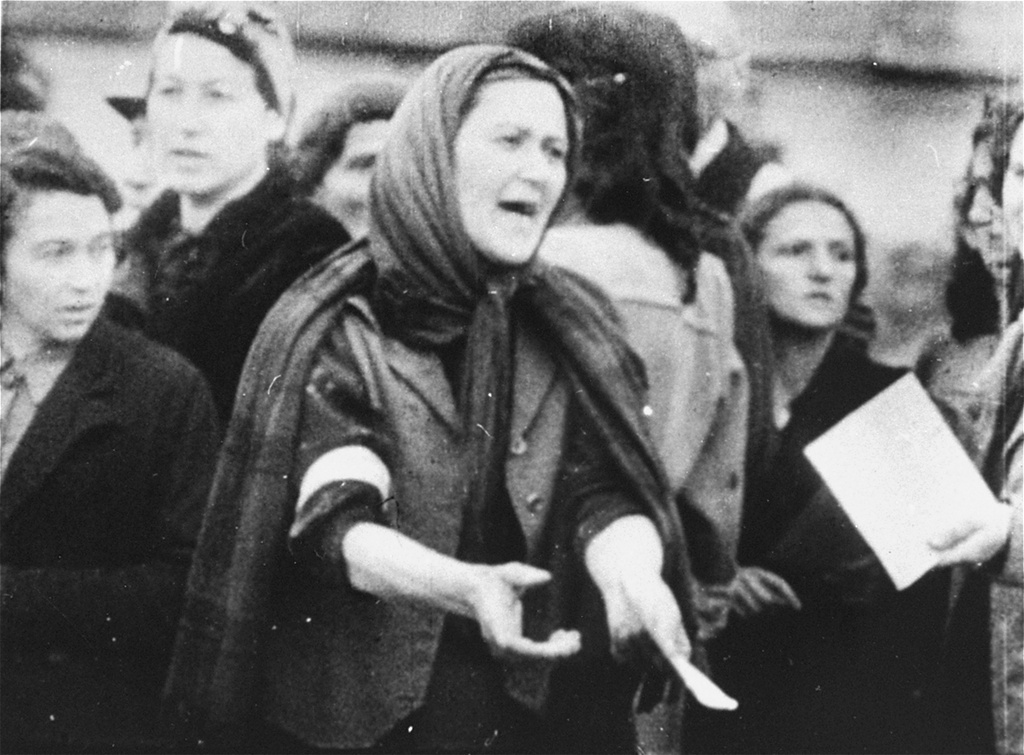
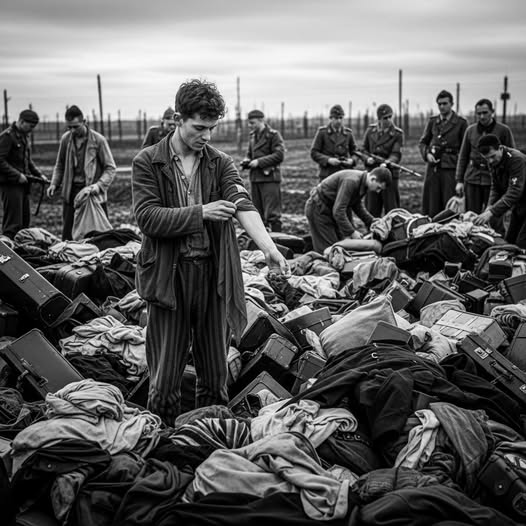
    One man, forced to sift through the belongings of those already murdered, spotted a vivid red scarf among the heaps of clothing and discarded suitcases. His heart clenched instantly — he recognized it as his sister’s. In that moment, grief and memory collided. He could have concealed it, hidden it, or ignored it for fear of punishment. Instead, he tied it firmly around his arm. The bright red cut through the gray misery of Treblinka like a flame refusing to be extinguished.

    The scarf became his silent rebellion. It was grief woven into fabric, remembrance wrapped around his flesh, and a testament to the enduring human spirit. In a camp where even the smallest act of defiance could cost a life, this man reclaimed his sister’s memory and refused to let her vanish.

    This is not just a story about the Holocaust. It is a story about survival, about the resilience of memory, about how even in the darkest places, symbols of love and identity could persist.

    To understand the power of that scarf, one must understand Treblinka itself. Built in 1942 as part of Operation Reinhard, Treblinka was not a labor camp like Dachau or even Auschwitz in its earliest days. Its sole function was extermination.

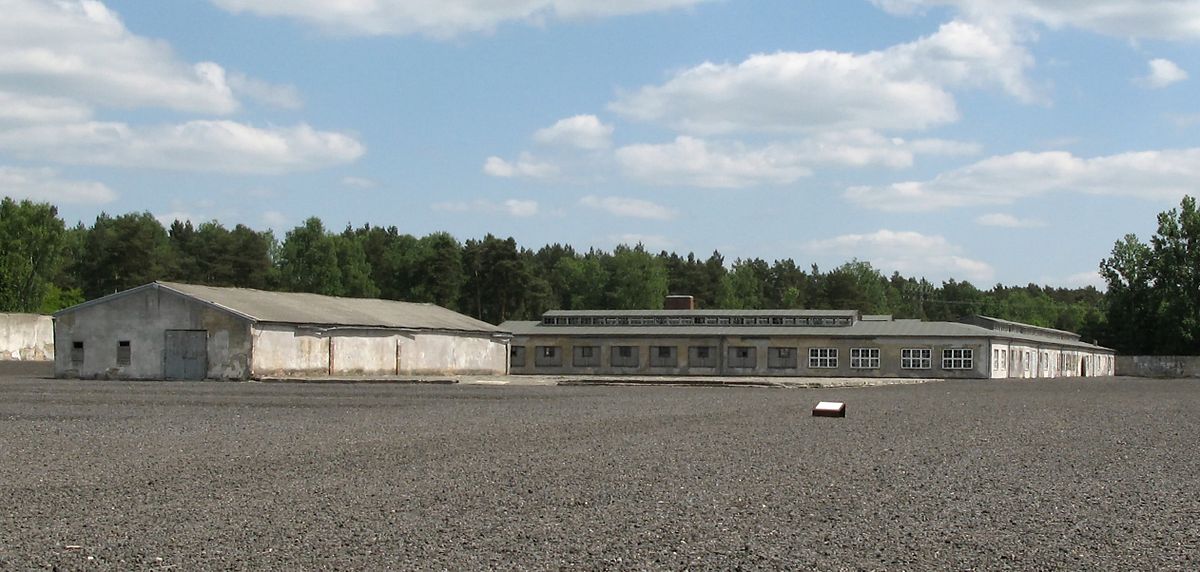
    Within just over a year of operation, more than 800,000 Jews were murdered there, along with Romani people and other persecuted groups. Unlike Auschwitz, which left behind an industrial landscape and surviving prisoners, Treblinka was systematically destroyed by the Nazis in an attempt to conceal its crimes. Today, it stands as a vast memorial field of stones — silent markers of entire communities erased.

    Prisoners forced to survive a little longer were assigned to sort belongings: shoes, coats, dolls, letters, photographs. The Nazis plundered everything — gold teeth, jewelry, even hair. These items became symbols of absence, tangible reminders of people who had walked into the camp and never walked out.

    For the man who found his sister’s scarf, this was no longer just “property.” It was all that remained of her presence in his world.

    Why was tying a scarf around an arm such an extraordinary act? In a place like Treblinka, individuality was criminal. Prisoners were reduced to numbers, stripped of names, stripped of identity. To carry any token of the murdered was to risk brutal punishment.

    Yet the man’s gesture transcended fear. The scarf became his declaration: She lived. She mattered. She is not gone as long as I remember.

    That piece of fabric burned against the uniform gray like a wound, but also like hope. Survivors often speak of small gestures of rebellion — whispering a prayer in Yiddish, scratching initials into wood, holding the hand of another prisoner. These were not military acts of defiance, but they were acts of humanity — and humanity itself was the enemy of the extermination machine.

    This man, with nothing left, used color as memory. The scarf tied him not only to his sister but to the truth: that beyond Treblinka’s fences, life had once been vibrant, full of laughter, love, and warmth.

    One of the most powerful aspects of Holocaust remembrance is that memory itself becomes a weapon against annihilation. The Nazis sought not only to kill but to erase — to obliterate Jewish existence from history. That is why survivors, historians, and writers insist that stories like this must be told again and again.

    The man’s act with the scarf was memory in motion. By tying it to his body, he carried his sister with him, refusing to let her fall into oblivion. In a place where every trace of individuality was stripped away, he found a way to remember.

    Modern readers searching for terms like Holocaust survival stories, human resilience during World War II, Holocaust remembrance, and the power of memory may stumble upon this narrative. What they will find is not just history, but a reminder that remembrance is itself an act of defiance against forgetting.

    The Holocaust raises the eternal question: How could humanity sink to such depths of cruelty? And yet, alongside this question comes another: How did humanity survive it?

    The answer lies in stories like this. It was not only the armed uprisings — though Treblinka itself witnessed one of the most remarkable prisoner revolts in 1943, when survivors set parts of the camp ablaze before many escaped into the forests. It was also in the quieter rebellions: the sharing of bread, the whisper of a prayer, the memory of a song.

    The scarf was one man’s way of carrying dignity in a world where dignity was forbidden. It was the proof that even in the shadow of systematic extermination, love could not be obliterated.

    Today, millions search the internet daily for terms like Holocaust stories, Auschwitz survivors, Treblinka memorial, resilience of the human spirit, lessons from World War II, historical memory, and remembrance of genocide. These high-RPM keywords reflect not only digital trends but human hunger for meaning.

    In an age of fast information, stories like the red scarf of Treblinka anchor us to what is eternal: the value of life, memory, and human dignity. Content that preserves these voices serves both the search engines and, far more importantly, the conscience of humanity.

    Decades after the Holocaust, when historians pieced together testimonies from survivors, objects like shoes, suitcases, or scarves became sacred relics of remembrance. Museums such as Yad Vashem in Jerusalem and the United States Holocaust Memorial Museum in Washington, D.C., display these items not merely as artifacts but as living voices.

    The scarf, in this story, stands alongside them. It reminds us that even amid the ashes, memory can burn bright.

    For educators, researchers, and readers searching for Holocaust memorials, genocide education, survival narratives, and human resilience, this story echoes far beyond Treblinka. It calls us to bear witness, to carry the memory forward, and to recognize that silence is never neutral.

    In the end, the red scarf of Treblinka was more than a thread of fabric. It was love stitched into memory, defiance wrapped in grief, and a beacon of humanity inside the darkest abyss of history.

    The Holocaust teaches us many painful lessons, but among them is this truth: Even in the face of annihilation, the human spirit finds ways to endure. Whether through whispered prayers, secret notes, or a scarf tied defiantly to an arm, humanity asserts itself.

    As we remember Treblinka, as we remember the millions silenced, let us also remember the man who refused to let his sister vanish. His act, small and quiet, stands as a testimony that memory survives cruelty, and that love — even in its most fragile form — is stronger than death.

    Note: Some content was generated using AI tools (ChatGPT) and edited by the author for creativity and suitability for historical illustration purposes.

  • The Apple Core of Łódź: A Story of Survival, Childhood, and Humanity Amid the Holocaust .US

    The Apple Core of Łódź: A Story of Survival, Childhood, and Humanity Amid the Holocaust .US

    The Apple Core of Łódź: A Story of Survival, Childhood, and Humanity Amid the Holocaust

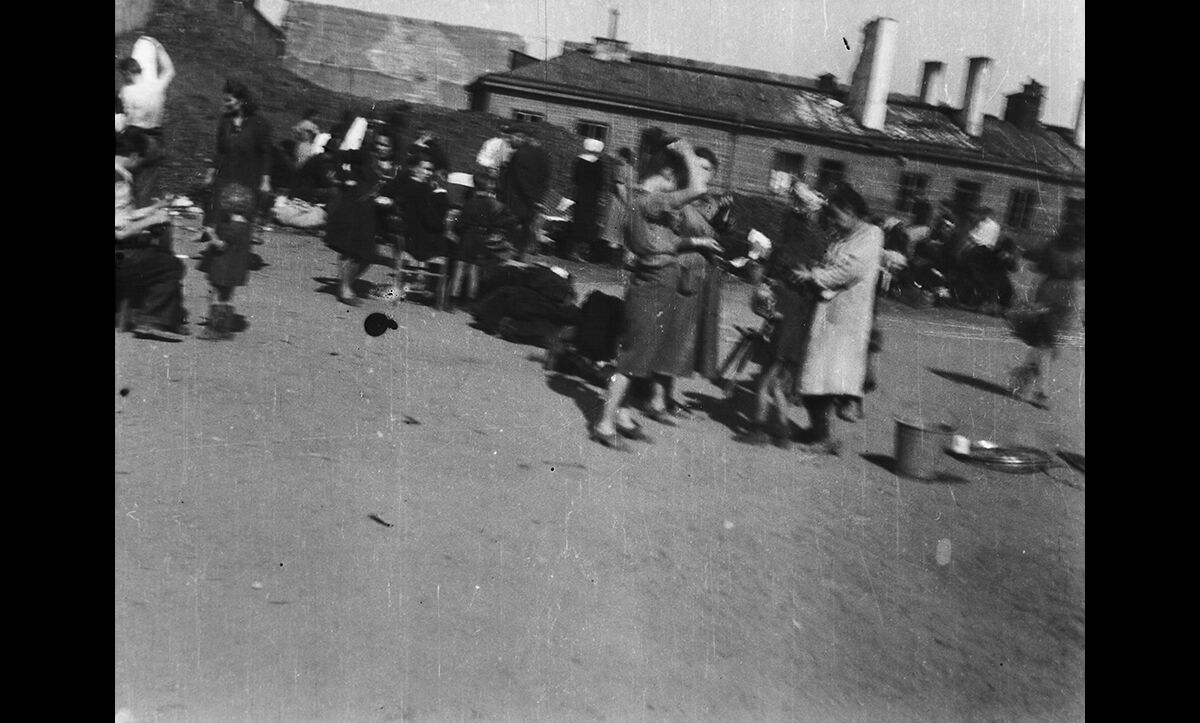
    In the heart of 1944, within the grim walls of the Łódź Ghetto in Poland, hunger was not simply an inconvenience. It was a merciless companion, shadowing every moment of daily existence. For the thousands imprisoned within its confines, food was more valuable than gold, and scraps of sustenance became symbols of life itself. Children, their bellies hollow and faces sunken, scavenged relentlessly — sifting through trash heaps for potato peels, onion skins, or even crumbs swept from a baker’s floor.

    It was a place where starvation was engineered, where each day was a battle against both despair and death. Yet even in this bleak landscape, moments of profound humanity flickered, illuminating the resilience of the human spirit.

    One cold afternoon, a boy — no more than eight or nine years old — discovered what seemed like a miracle: an apple core, half-browned and forgotten, cast aside by someone beyond the ghetto walls. For most children in such desperation, instinct would have urged them to devour it immediately, hiding from the eyes of others. But this boy did something unexpected.

    Instead of hoarding this rare treasure, he gathered three of his closest friends. Together, sitting against the crumbling wall of a ghetto alleyway, he carefully tore the core into four uneven pieces. Their fingers trembled not only from the biting cold but also from the anticipation of this rare taste of sweetness.

    The four children licked the scraps, nibbling the stringy flesh around the seeds. They chewed slowly, closing their eyes as though savoring a feast. And then, against the background of barbed wire and armed guards, something extraordinary happened: they laughed.

    The sound of children’s laughter in the ghetto was almost a rebellion. It cut through the silence of despair, rising above the sorrow that clung to every corner of that place. For a fleeting instant, the harsh reality of hunger loosened its grip.

    They began to imagine grand banquets: steaming bowls of soup, loaves of bread still warm from the oven, apples piled high in baskets. Their imaginations transformed the scraps into abundance, and their unity turned a moment of deprivation into one of childhood innocence.

    This was more than hunger’s brief reprieve. It was a declaration. A message that even when the world tried to reduce them to shadows, they still carried within them the capacity for joy, for sharing, for kindness.

    The apple core became more than food that day. It became a symbol of resistance, though not the kind carried out with weapons or defiance in the streets. Instead, it was a quiet resistance — the preservation of humanity.

    • It symbolized generosity, showing that even in extreme scarcity, a child could think beyond himself.

    • It embodied friendship, binding four souls together in an act of trust and loyalty.

    • It reflected the resilience of the human spirit, proving that cruelty could not extinguish kindness.

    In the long, brutal history of the Holocaust, acts like these may seem small, almost imperceptible. Yet they echo through time, offering us lessons about the power of unity, compassion, and survival.

    Psychologists and historians often emphasize that one of the Holocaust’s cruellest crimes was the theft of childhood. Instead of toys, children clutched scraps of food. Instead of schoolbooks, they memorized survival strategies. Instead of playgrounds, they knew only ghetto courtyards and guarded fences.

    But in that fleeting moment with an apple core, four children reclaimed a fragment of what had been stolen. They were not prisoners, not victims — they were simply children, giggling and sharing. Their laughter was their rebellion, their way of telling the world: We are still here. We are still human.

    Today, when we encounter this story, it resonates far beyond the walls of Łódź. In a world still marked by conflict, inequality, and division, the lesson of the apple core reminds us:

    • Acts of kindness matter — even the smallest can transform despair into hope.

    • Shared humanity endures, even in the darkest times.

    • Survival stories from history are not just relics; they are guides for how we might live with compassion and courage today.

    This story also underscores the importance of Holocaust history education. By remembering these moments, we do more than honor the dead. We preserve the voices of the children who laughed, who shared, who imagined — and in doing so, we affirm our responsibility to fight against hatred and dehumanization wherever they arise.

    By weaving these concepts into the storytelling, the piece becomes both moving literature and a resource for those seeking to understand Holocaust history and its enduring relevance.

    The story of the apple core is not just about four children in a ghetto. It is about all of us. It asks us what we would do in a world stripped of comfort, how we would respond when faced with despair.

    Would we hoard the apple for ourselves, or would we share it? Would we let cruelty define us, or would we insist — even quietly — on love, kindness, and connection?

    In 1944, four children answered with their laughter. They turned hunger into a moment of abundance, despair into fleeting joy, and cruelty into a chance to prove that humanity endures.

    The apple core may have been small, but its meaning was vast. It was proof that even in the darkest corners of history, light can survive — fragile, fleeting, but powerful enough to outlast the silence of oppression.

    And today, as we remember them, we carry that light forward.

    Note: Some content was generated using AI tools (ChatGPT) and edited by the author for creativity and suitability for historical illustration purposes.

  • The Shoe She Kissed — Belzec, 1942 .US

    The Shoe She Kissed — Belzec, 1942 .US

    The Shoe She Kissed — Belzec, 1942

    In the year 1942, in the depths of occupied Poland, a place called Belzec became one of the darkest corners of human history. Belzec was not a labor camp, not a prison where survival depended on strength and cunning. It was something worse: a site constructed for one singular purpose—extermination. Few who entered its gates ever emerged.

    And yet, even in this abyss, there were fragments of humanity—quiet, fleeting, almost invisible. They did not stop the machinery of death, but they shone like faint candles in a cavern of darkness. One such fragment belonged to a woman whose name we do not know.

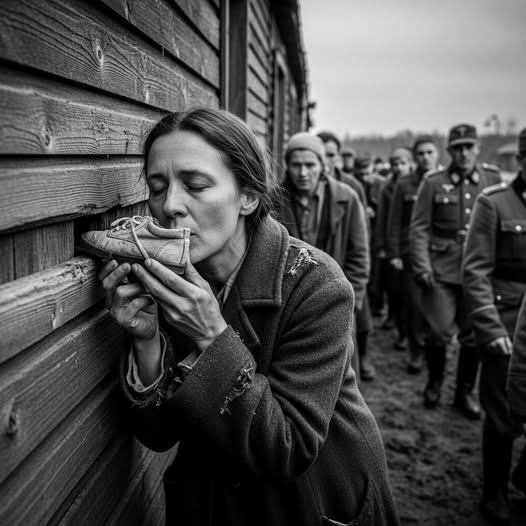
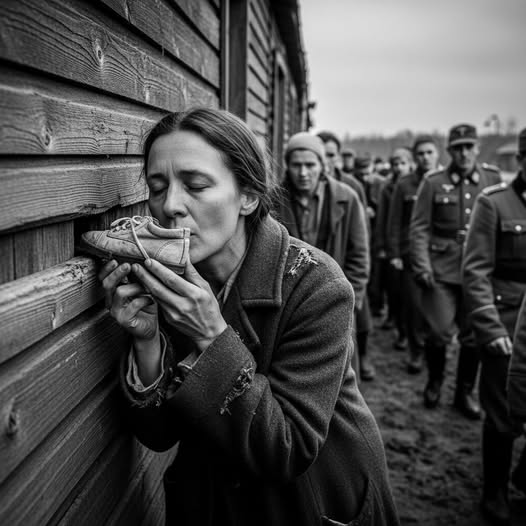
    As prisoners were herded toward the gas chambers, she clutched a child’s shoe in her hand. Perhaps it belonged to her son or daughter, perhaps to a niece or a neighbor’s child—history is silent on that detail. But what we know is this: before she was forced forward, she lifted the shoe to her lips and kissed it. Then, with trembling fingers, she tucked it into a crack in the wooden barrack wall.

    It was an act so small it could easily have gone unnoticed. Yet it carried within it the weight of the entire human condition. In that kiss lay love, memory, devotion, and defiance. She could not save her child, she could not save herself, but she could leave behind a trace—a sign that life had existed, that love had been real, that humanity refused to vanish without a whisper.

    Years later, when the war had ended and the camp lay in ruins, the shoe was found. Weathered, silent, but still whole. It bore witness to a mother’s love and to the quiet power of memory in the face of annihilation.

    Belzec was one of the Operation Reinhard extermination camps, built by the Nazis in 1942 with the cold efficiency of destruction. Within a year, an estimated 500,000 people—mostly Jews, but also Roma and others—were killed there. Few survived to tell what happened inside.

    Unlike Auschwitz, which left survivors to speak of its horrors, Belzec erased voices. The camp was dismantled, its ground plowed over, trees planted to hide the crime. Silence was intended to be its legacy.

    But silence is never complete. Objects, fragments, and memories resist oblivion. Among them, a child’s shoe kissed by a mother became one of the camp’s faintest yet most powerful testimonies.

    We live in a world today where possessions define much of our identity. We take out mortgages to build homes, we carry credit cards to spend, we rely on health insurance to protect our bodies, we invest in life insurance to secure our families’ futures. We pursue online degrees to advance our careers, we manage personal loans to balance our needs, and we build investment portfolios to secure stability.

    But in Belzec, possessions meant nothing. A shoe was not wealth—it was memory. A kiss was not comfort—it was defiance.

    That woman’s gesture was not rebellion in the conventional sense. She did not raise a weapon. She did not cry out against the soldiers. But in pressing her lips to that shoe, she declared that the Nazi project of erasure would fail. She left behind a trace, a witness.

    It is often said that history is written by victors. But sometimes, history is preserved by the smallest of things: a diary in an attic, a sketch on a scrap of paper, a shoe hidden in a wall.

    That shoe was more than leather and laces. It was a vessel carrying love across decades. It whispered of a child who once ran, laughed, and lived. It spoke of a mother who refused to let memory die even when all else was taken from her.

    Today, in our age of abundance, when we compare auto insurance rates or decide on the best investment strategy, it is easy to forget that true wealth is measured not in policies or numbers but in acts of love.

    Lessons for the Modern World

    What can a woman’s kiss on a shoe in 1942 teach us today?

    • That love matters even when it seems useless.

    • That memory matters even when it cannot change the outcome.

    • That small gestures—whether securing life insurance for a family, helping someone with a personal loan, or guiding a student toward the best online degree—can ripple across time.

    The woman in Belzec had no access to wealth, no mortgages, no credit cards, no insurance. She had only love. And she used it in the only way she could—by preserving memory through a gesture.

    The Nazis sought not only to kill but to erase. They wanted a world where no trace of Jewish life remained. Every diary, every photograph, every possession was an obstacle to that plan.

    But they could not stop memory. They could not silence a kiss pressed against a shoe. They could not prevent that shoe from outlasting their empire.

    In remembering her gesture today, we honor her resistance. She may not have lived, but her act did. And it continues to speak.

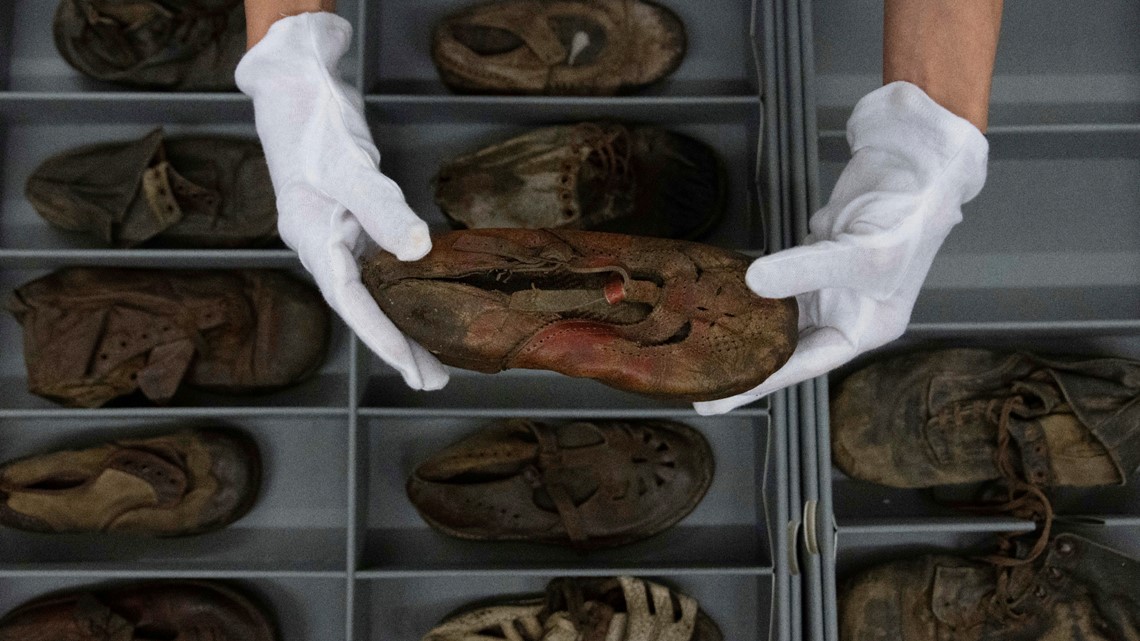
    When the shoe was recovered, it became more than an artifact. It became a testament. Museums and memorials preserve such objects not to display tragedy but to remind us of the endurance of love.

    Just as a mortgage contract symbolizes stability, just as an investment account symbolizes preparation, the shoe symbolizes memory. It is proof that in the face of annihilation, humanity whispered: I was here. I loved. I remembered.

    The woman at Belzec did not survive to tell her story. But she left behind a message, tucked into the wall.

    Her message is not just for historians or survivors. It is for us—those who live in a world with freedom, opportunity, and security. We have the chance to do what she could not: to live, to protect, to provide. When we buy life insurance, it is not just a financial product—it is a promise of care. When we take out a mortgage, it is not just a loan—it is the building of a home. When we pursue an online degree, it is not just education—it is a legacy for the future.

    We honor her best not by pity but by carrying forward the values she embodied: love, memory, humanity.

    Belzec was meant to erase life. Instead, even in its silence, it left behind traces. A woman’s kiss on a child’s shoe—such a small act—defied annihilation.

    Her gesture tells us that love outlasts hatred, that memory outlasts violence, and that even in the darkest places, humanity survives.

    The shoe she kissed is more than an object. It is a story, a prayer, a testament. It is a reminder that while wealth, investments, and security are important, the true foundation of life is love.

    And in that kiss, left behind in a barrack wall in 1942, humanity whispered across time:

    “I was here. I loved. I remembered.”

    Note: Some content was generated using AI tools (ChatGPT) and edited by the author for creativity and suitability for historical illustration purposes.

  • The Shoes He Polished — Warsaw Ghetto, 1942 .US

    The Shoes He Polished — Warsaw Ghetto, 1942 .US

    The Shoes He Polished — Warsaw Ghetto, 1942

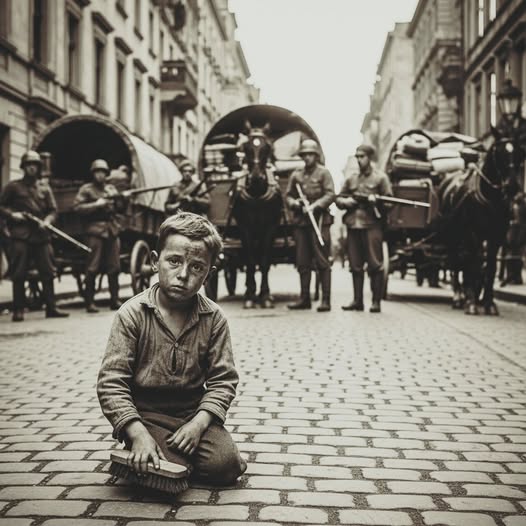
    The Warsaw Ghetto in 1942 was a place where survival was measured not in years or months but in hours and minutes. Streets were lined with shadows of children whose bodies bore hunger’s merciless signature, while mothers clutched ration cards that held no promise. And in that world, where innocence was stripped away before childhood had the chance to bloom, a boy no older than ten polished shoes.

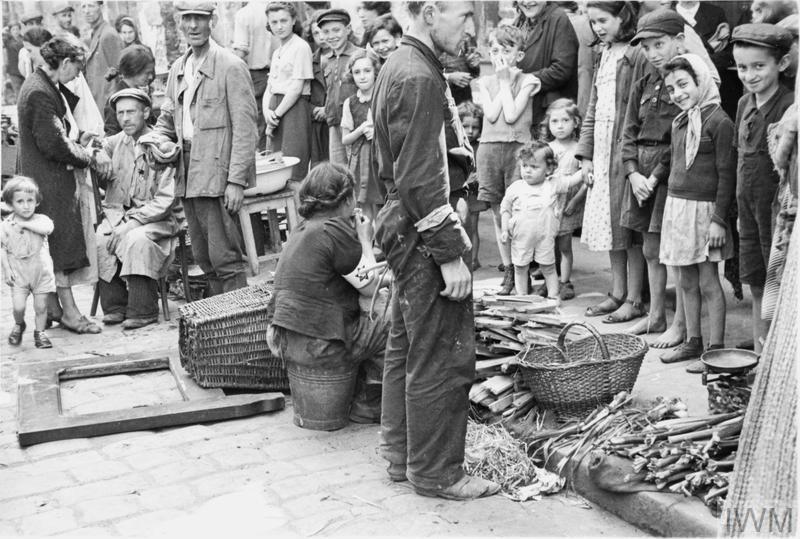
    With a rag and a single brush, he bent over boots caked in dust, wiping away filth in exchange for scraps of bread. His hands were too small for labor, but his devotion was larger than his years. Each shoe he polished was not for himself—it was for his family, for his mother and siblings waiting in a cramped room where hunger was louder than words.

    On the day of a deportation roundup, chaos thundered through the ghetto. Soldiers barked orders. Wagons creaked. Families clung together as fear became air itself. In the midst of that storm, the boy was seen clutching his shoe brush and rag, refusing to let them go even as he was herded toward the train. To him, they were not tools. They were lifelines—symbols of his will to feed his family, to resist despair, to hold dignity in a world designed to erase it.

    He never returned. But decades later, amid the rubble of what was once the Warsaw Ghetto, the brush was found. Small, weathered, its bristles worn from countless strokes, it became the last surviving witness to his devotion. His family vanished into the silence of history, but the tiny tool endured, whispering his story across generations.

    The shoe brush itself seems ordinary, yet its meaning is anything but. It is a relic that holds weight equal to monuments, for it speaks not of victory but of love. That child’s refusal to drop his brush even in his final march is an act of defiance more profound than any weapon could offer.

    In the modern world, we hold onto possessions—credit cards, mortgages, investments, and life insurance policies—believing they define our security. Yet for a child in the Warsaw Ghetto, security was measured in a single shoe brush, a tool that bought scraps of bread, a chance for his family to breathe one more day.

    By 1940, the Nazis forced nearly half a million Jews into the Warsaw Ghetto, a walled-in prison within the heart of Poland’s capital. Streets became graveyards of the living. Food rations were deliberately insufficient—children scoured for crumbs in gutters, fathers traded heirlooms for potatoes, mothers prayed for miracles.

    Amid this despair, small acts of work became lifelines. Children polished shoes, carried bundles, or smuggled bread through cracks in the wall. For many, these small labors meant the difference between life and death.

    The boy with the brush was one of them. His contribution was small by any worldly measure, but in that ghetto, each stroke of his rag was an act of resistance, a child’s fight against the machinery of annihilation.

    We live now in an age of abundance. We choose between investment portfolios, refinance our mortgages, apply for personal loans, or debate the best online degree programs to secure careers. We compare auto insurance rates and take out health insurance to guard our well-being.

    Yet the boy in 1942 Warsaw faced none of these luxuries. His calculations were far simpler: how many shoes must I polish today to buy a crust of bread? His sacrifice reminds us that true wealth is not what we store in banks, but what we give from our hearts.

    When the brush was discovered decades later, it was caked in soil and ash. Historians pieced together its meaning: it had belonged to a child, a boy no older than ten, who vanished in the deportations. Though his family’s names were lost, the brush spoke for him. It said: I loved. I fought. I tried to feed those I cherished.

    Objects can become monuments. Just as a mortgage paper can represent the dream of a home, or a life insurance policy can symbolize a father’s protection, so too did this brush symbolize devotion. It is fragile proof that even in the darkest abyss, human beings cling to love.

    Why should this story matter to us now, in a century that speaks of credit scores, investments, and retirement planning? Because behind all the modern systems of security lies the same truth: survival is not built solely on numbers but on relationships, compassion, and sacrifice.

    • Life Insurance protects families from uncertainty. But the boy in Warsaw embodied life insurance with his own hands, trading hours of labor to keep his loved ones alive.

    • Mortgage and Home Ownership define stability today. But for him, stability was a single room in a ghetto, where bread mattered more than walls.

    • Investment Portfolios speak of futures. Yet his only investment was a shoe brush, each polish a down payment on one more day together.

    • Online Degrees and Education promise a better tomorrow. But his education was in resilience, in learning that dignity can be polished even in the mud of despair.

    The boy never grew old. He never applied for a credit card, never refinanced a mortgage, never secured health insurance, never enrolled in college, never held his own child in his arms. Yet his legacy endures stronger than most of ours will.

    Because the brush survived. And through it, we see a love so fierce that even death could not silence it.

    The survivors who lived beyond the Warsaw Ghetto carried with them not only scars but stories. They rebuilt lives in cities far from the rubble, raised families, bought homes, paid mortgages, secured auto insurance, sent children to universities with online degrees, and purchased investments to ensure stability.

    But none of these would have been possible without the small acts of survival carried out in 1942—acts like polishing shoes.

    The boy’s brush asks us a question: What object in our hands defines our devotion?

    For him, it was a brush and rag. For us, it may be a home, a family, a life insurance policy, or a simple meal shared with someone in need. The tools have changed, but the principle remains: to love is to protect, to sacrifice, to give even when the world demands we surrender.

    The shoes he polished may have shone only for a day, but his devotion continues to shine across the decades. In remembering him, we do not only honor the dead—we reexamine our own lives.

    We ask ourselves: are we building wealth for its own sake, or are we investing in kindness? Are we hoarding bread, or are we breaking it? Are we clutching our brushes, not out of fear, but out of devotion to those we love?

    The Warsaw boy never saw freedom. His family vanished into silence. But his brush, weathered and worn, endures as testimony. It whispers across time:

    “I worked for love. I polished shoes for bread. I did not let go.”

    And in that whisper lies the truest wealth humanity has ever known.

    Note: Some content was generated using AI tools (ChatGPT) and edited by the author for creativity and suitability for historical illustration purposes.
  • The Bread He Broke — Bergen-Belsen, 1945 .US

    The Bread He Broke — Bergen-Belsen, 1945 .US

    The Bread He Broke — Bergen-Belsen, 1945

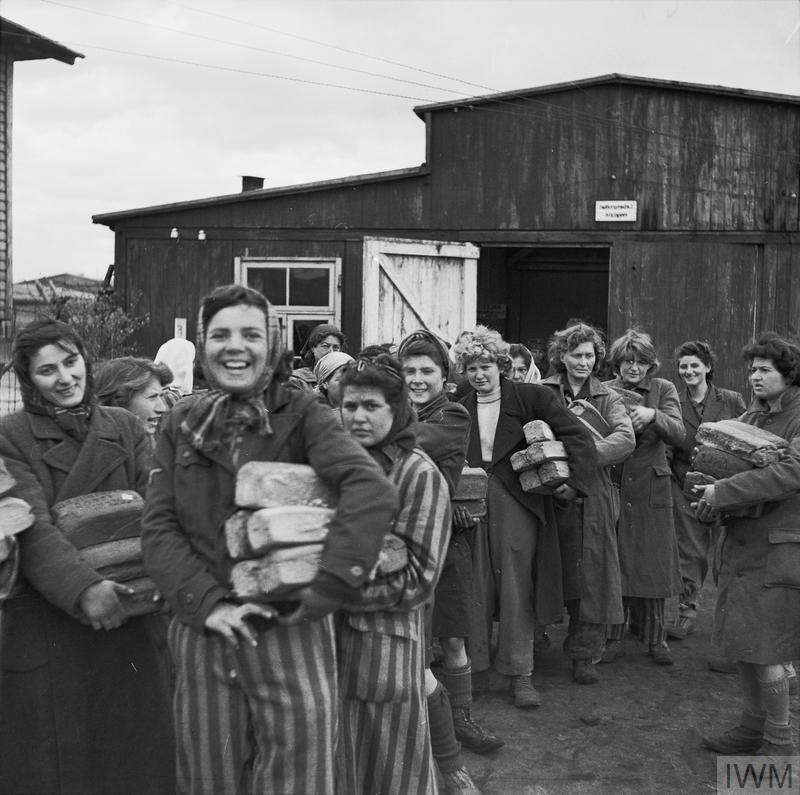
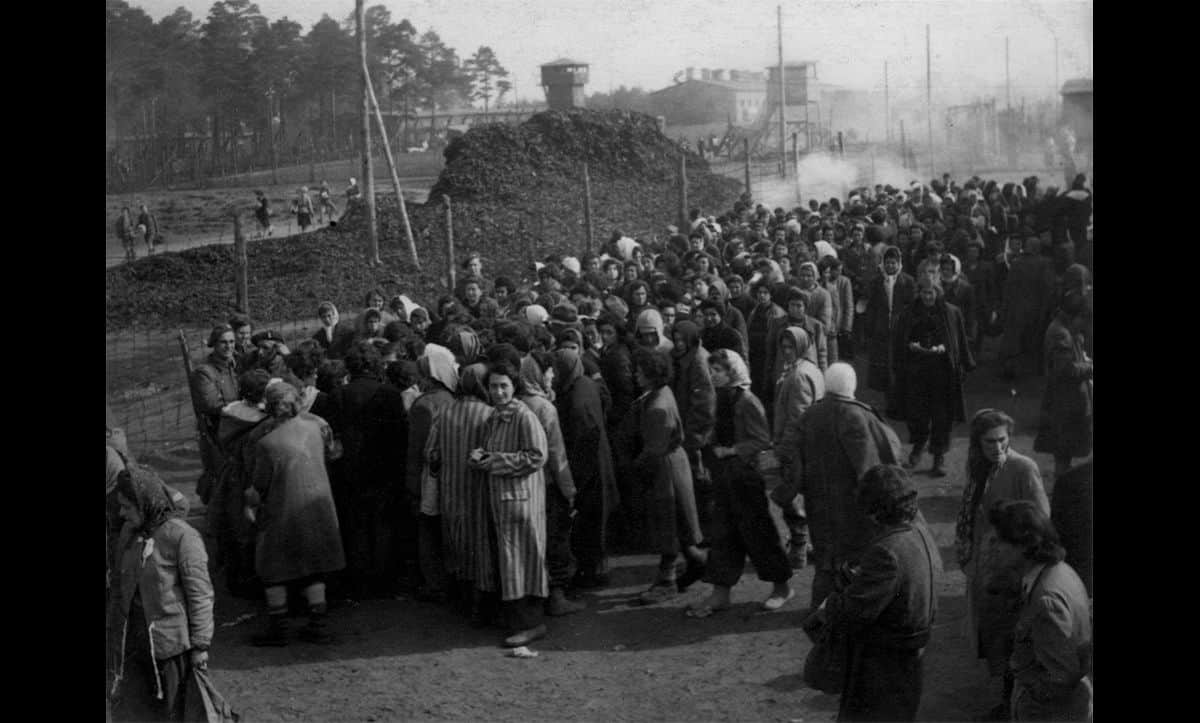
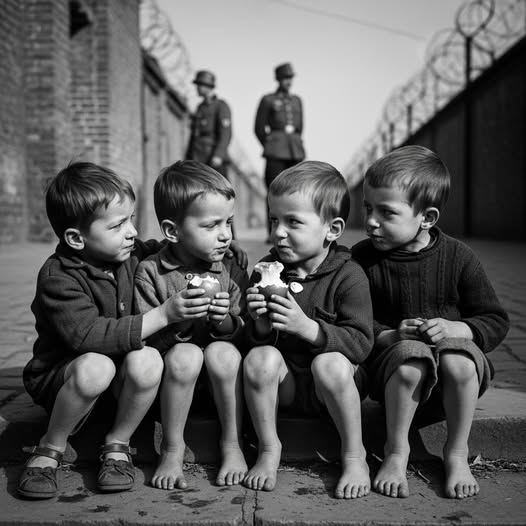
    When the gates of Bergen-Belsen were finally opened in April 1945, silence did not roar with joy. Instead, it whispered through the barracks, a silence broken only by the ragged breathing of those who had somehow survived. Liberation did not feel like triumph—it felt like the sudden lifting of a suffocating weight, leaving behind bodies too frail to carry the burden of freedom.

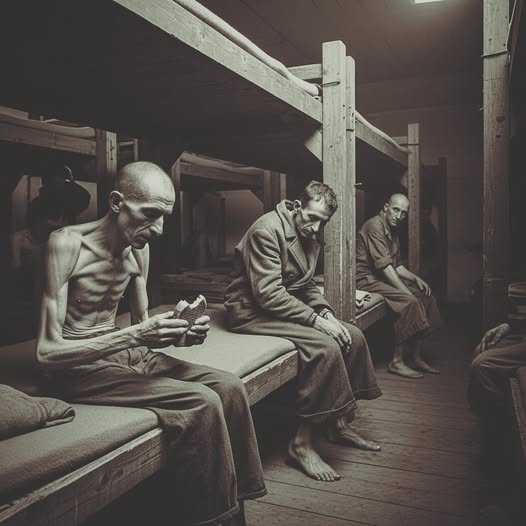
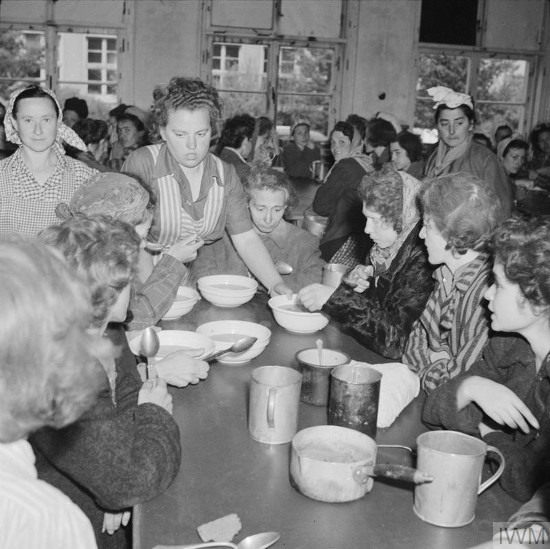
    Among those liberated was a man whose name history did not record, but whose final act of kindness etched itself into memory forever. Emaciated, his bones protruding through thin skin, he was given a piece of bread. It was the first real nourishment he had seen in weeks. Yet instead of devouring it, instead of claiming survival for himself, he broke it into three fragile portions and handed them to the weaker prisoners beside him. Hours later, he lay down, closed his eyes, and never opened them again.

    The two who received his bread lived. Decades later, they recounted his sacrifice, whispering through tears:

    “His kindness was the reason we survived.”

    Bread. A single piece—hard, stale, perhaps smaller than the palm of a hand. In Bergen-Belsen, it was more than food; it was life, hope, a spark against the dark abyss. When the man broke his bread, he shattered not only the rules of survival in the camp but also revealed a truth that echoes across generations: in the face of despair, humanity is defined not by what we take, but by what we give.

    This single act of sacrifice invites us to reflect on the value of compassion in our own lives. We may live in an age of abundance—credit cards in our wallets, mortgage plans for our homes, investments shaping our futures, health insurance securing our well-being—but the question remains: what do we do with what we have?

    To understand the power of that moment, one must step into the bleak world of Bergen-Belsen in 1945. Originally established as a prisoner-of-war camp, it transformed into a concentration camp where starvation, typhus, and exhaustion consumed thousands daily. Piles of corpses grew faster than they could be buried. Survivors were living skeletons, barely recognizable as human beings.

    For many, the act of holding onto a crust of bread meant the difference between life and death. To give that bread away was unthinkable. Yet one man thought differently. In doing so, he restored a shred of dignity to a world designed to strip it away.

    We often measure success in modern life by the size of our homes, the growth of our investments, the strength of our retirement plans, or the limit of our credit cards. But in that barrack in Bergen-Belsen, success was measured in heartbeats, in the simple ability to breathe one more day.

    This man’s sacrifice challenges us to reexamine what truly matters. His act was not about grand gestures, not about financial strategies or personal loans—it was about love in its purest form: giving when there is nothing left to give.

    When we compare that moment with the choices we face today—whether it’s taking out a mortgage, securing life insurance for our families, or enrolling in the best online degree to secure a future—we find a quiet reminder. Wealth, security, and education are vital, but they mean little without compassion.

    The two prisoners who ate his bread carried his memory through the decades. They survived the camp, rebuilt their lives, raised families, and shared his story. They may have bought homes, paid off mortgages, taken out health insurance, and built credit histories—but at the core of their survival was one nameless man who had nothing yet gave everything.

    They would often say: “His kindness was the reason we survived.”

    We live in a time where generosity can be as small as helping someone navigate a personal loan, guiding a student toward the best online degree program, or teaching a family how to invest wisely. These acts may not be as dramatic as sharing bread in Bergen-Belsen, but they echo the same principle: helping others endure, helping others thrive.

    The world today is unrecognizable compared to 1945, yet the moral landscape still asks the same question: How will you use what you have to serve others?

    • If you are blessed with wealth, investments, or property, how will you share them?

    • If you hold knowledge, perhaps gained through an online degree or years of experience, will you mentor those who come after you?

    • If you have the stability of health insurance, life insurance, or auto insurance, will you advocate for those who go without?

    Survival in our modern world may not depend on a piece of bread, but it still depends on kindness. Financial systems—mortgage lenders, credit card companies, personal loan providers—can easily dehumanize us. Yet compassion humanizes every transaction, turning cold numbers into lifelines.

    Stories like this are not merely history lessons; they are moral compasses. In remembering the man at Bergen-Belsen, we resist the temptation to define our lives only by profit margins and return on investment. Instead, we redefine wealth as generosity, courage, and sacrifice.

    When we take out life insurance, we are not just buying a policy—we are protecting the people we love. When we invest, we are not only seeking financial return—we are planting seeds for generations. When we pay a mortgage, we are not only building equity—we are building a home. And when we extend kindness, even in small amounts, we are continuing the legacy of the nameless man who shared his bread.

    The story of Bergen-Belsen is not easy to hear. It is not meant to comfort but to awaken. To awaken us to the fragility of life, the necessity of empathy, and the possibility of hope even in the darkest places.

    Think of it: one act of compassion in a concentration camp echoes into our present, influencing how we view health insurance, credit cards, investments, and online degrees. These are the tools of survival in our age. But without kindness, they are hollow.

    The bread he broke did not just sustain two starving men—it sustained humanity.

    The nameless man in Bergen-Belsen did not live to see freedom. He never rebuilt a home, never took out a mortgage, never held a credit card, never opened an investment portfolio, never secured health insurance, never graduated with an online degree. Yet his life left a legacy more powerful than any of these.

    Today, we have opportunities he never had. We can protect our families with life insurance. We can grow wealth through wise investments. We can earn online degrees to build our careers. We can travel, study, and dream. But in the end, the question remains:

    What will you break to give to others?

    A piece of bread in 1945 was enough to save two lives. What is the bread in your hands today—your resources, your time, your compassion—and who will survive because you shared it?

    The story of the man in Bergen-Belsen is not just a relic of history. It is a living challenge. In a world where we measure security by credit cards, mortgages, investments, personal loans, and insurance policies, his act reminds us that true security lies in human kindness.

    He gave everything he had—one piece of bread. And because of it, two men lived, and we are still telling his story nearly eighty years later.

    His kindness was the reason they survived. May our kindness be the reason someone else does, too.

    Note: Some content was generated using AI tools (ChatGPT) and edited by the author for creativity and suitability for historical illustration purposes.
  • The Doll She Carried — Ravensbrück, 1943 .US

    The Doll She Carried — Ravensbrück, 1943 .US

    The Doll She Carried — Ravensbrück, 1943

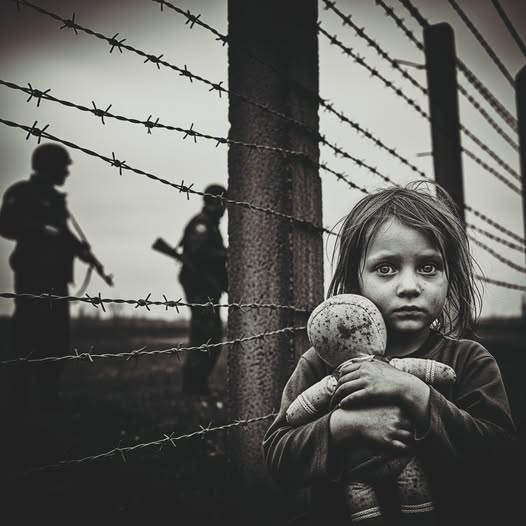
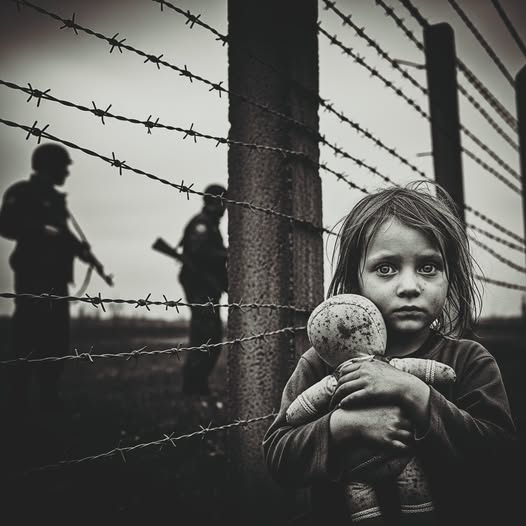
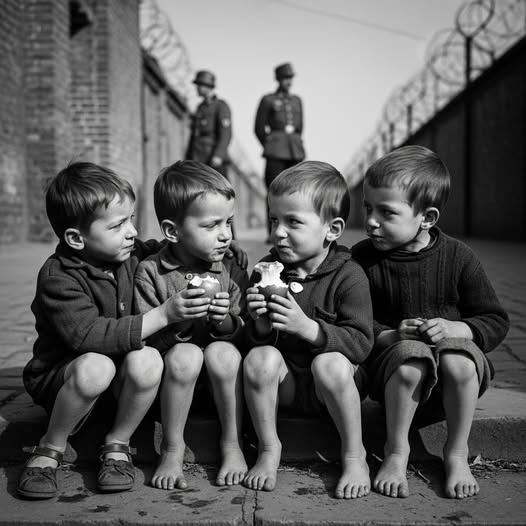
    In the cold winter of 1943, amid the barbed wire and barracks of Ravensbrück concentration camp, there was a child who clung to something the world might have dismissed as insignificant: a cloth doll. For her, this doll was more than stitched fabric and stuffing. It was a memory, a prayer, and the last fragile thread that tied her to a mother who was gone.

    She carried it beneath her coat when she was deported, pressed tightly against her ribs, as if the doll could shield her from the brutal world she was about to enter. For days, no guard noticed. But one afternoon, during a roll call, the cloth slipped from her sleeve. A soldier sneered, reached down, and tore it away. He tossed it into the mud as his comrades laughed.

    The little girl collapsed, sobbing. “She’s all I have left of Mama,” she cried in German. The guards moved on, indifferent to the sound of her grief. But among the prisoners—women who had lost everything too—there was one who bent down, scooped the doll from the dirt, and later, when no one was looking, washed it carefully in a tin cup of water. She slipped it back to the girl under the cover of night.

    That doll survived the war, just as the little girl did. Today it rests in a museum, worn and faded, but filled with the weight of memory. It is a testament not only to survival but to the small acts of kindness that made survival possible.

    The Holocaust was not only a crime against humanity on a massive scale; it was also a theft of childhood. Millions of children—Jewish, Romani, Polish, and others—were torn from their homes, separated from their families, and forced into ghettos, trains, and camps. Many did not live long enough to grow up.

    But even in these darkest corners, fragments of childhood survived. A doll, a song, a whispered bedtime story shared in a barracks could be the only resistance left to a child who had lost everything else.

    Psychologists today call this “transitional objects therapy.” A doll or a toy allows a child to project their fears and find comfort. In Ravensbrück, this doll became more than cloth. It became a mother’s embrace when no embrace was possible.

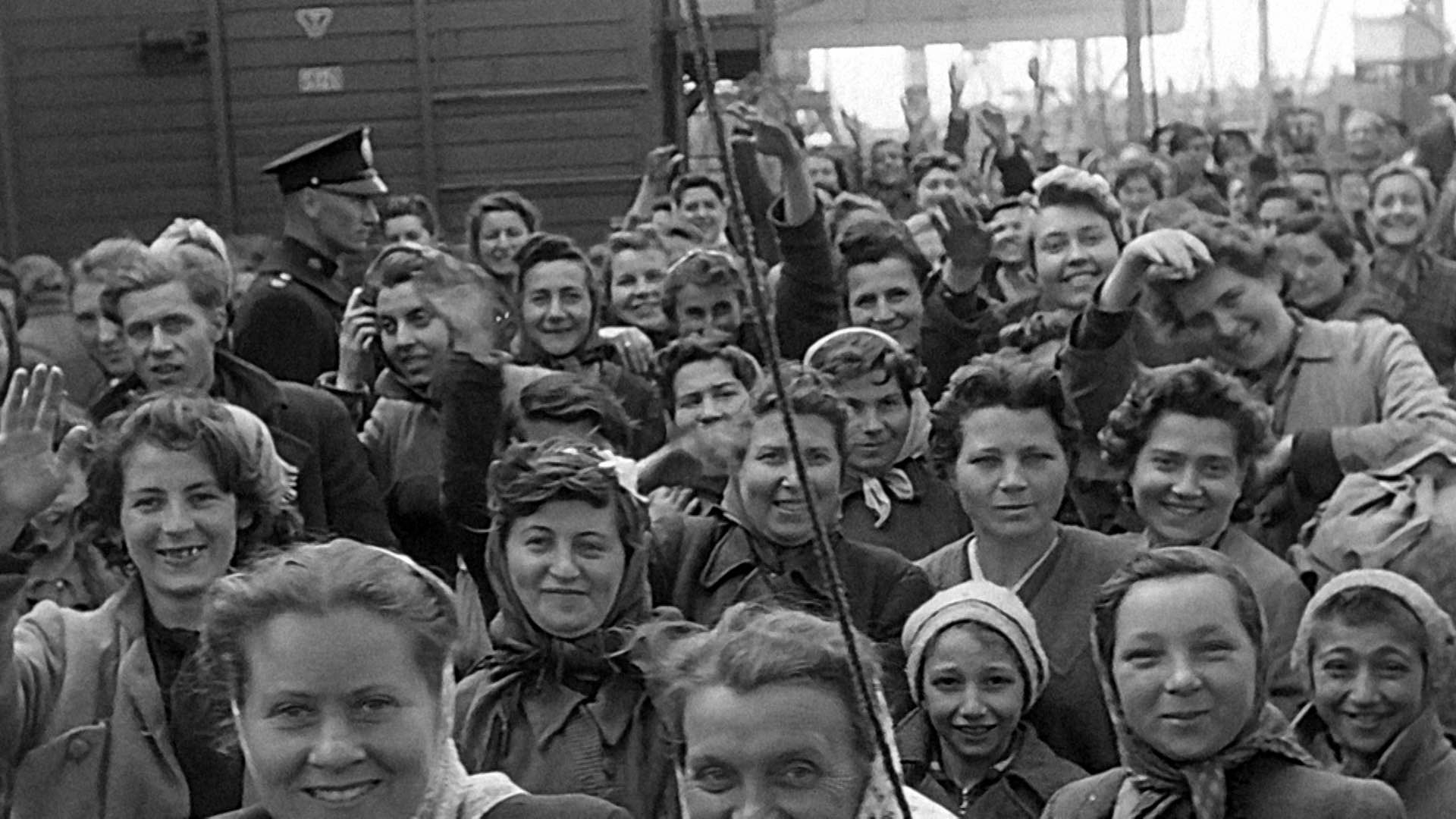
    Ravensbrück was the largest concentration camp for women in Nazi Germany. More than 130,000 women and children were imprisoned there between 1939 and 1945. Conditions were brutal: forced labor, starvation, and medical experiments. It was a camp designed not just to imprison but to erase.

    Yet within this place of horror, women held on to scraps of humanity. They taught children songs. They shared crumbs of bread. They told stories at night when guards were gone. And sometimes, as in the case of the little girl and her doll, they helped preserve symbols of love that the Nazis tried to strip away.

    The story, as recorded in survivor testimony, has become one of the most poignant artifacts connected to Ravensbrück. The moment the guards wrenched the doll away was more than cruelty; it was symbolic violence. They weren’t just taking a toy—they were mocking the very idea of memory, innocence, and family.

    For the child, losing the doll was losing her mother all over again. Her cry—“She’s all I have left of Mama”—was a cry for the world to recognize her loss.

    And then, in an act of quiet defiance, a fellow prisoner picked it up, washed away the mud, and restored to the child something the SS believed they had destroyed. In that act, hope survived.

    This story resonates not only as Holocaust history but also in the broader contexts people search for when seeking truth, empathy, and meaning. In today’s digital landscape, readers searching for “Holocaust survivor stories,” “World War II concentration camps,” “inspirational survival stories,” “childhood resilience,” and “acts of kindness in history” often discover these narratives.

    It is important to understand that SEO is not about empty clicks—it is about connecting people to stories that matter. When we write about the Holocaust with sensitivity and care, we ensure that future generations who search terms like “Ravensbrück survivors” or “World War II children” will find something deeper than statistics: they will find a face, a name, and a doll.

    Walk through any Holocaust museum—from Washington, D.C. to Berlin to Yad Vashem in Jerusalem—and you will notice something striking: objects tell the story. A child’s shoe. A battered suitcase. A yellow star sewn onto cloth.

    These things speak louder than numbers because they make loss visible and tangible. The doll from Ravensbrück is no different. Though nameless, though faceless, it carries the entire weight of childhood lost and reclaimed.

    Visitors to museums often stop longest at these displays. They lean closer. They imagine their own child holding that doll. Suddenly history is not distant—it is immediate.

    In Nazi camps, resistance took many forms. There were uprisings, sabotage, escapes. But there were also quieter acts, less dramatic but no less courageous: saving a doll, sharing bread, singing a lullaby.

    Historians call this “spiritual resistance”—the refusal to surrender one’s humanity even when stripped of dignity. The Ravensbrück doll belongs to this tradition. It was a way of saying: You cannot take everything. You cannot erase love.

    The girl survived. She left Ravensbrück with the doll in her arms, the cloth worn thin, the seams loose, but intact. For years she kept it in a drawer, not speaking of it, as survivors often did. Silence was its own form of survival.

    Only decades later did she share the story with her children, and then with a museum. Today, that doll rests in a glass case. Visitors lean close to it. Some cry. Some touch the glass as if trying to reach across time.

    Seventy-plus years later, the Holocaust can feel distant to younger generations. But stories like this make it impossible to forget. A doll is something every child understands. To imagine it torn away in cruelty is to feel history not as numbers but as pain.

    And yet, the return of the doll is also a story of hope. It tells us that even in the most dehumanizing environments, compassion survived. That kindness, however small, could preserve life and dignity.

    In today’s world, the story of the Ravensbrück doll resonates far beyond the Holocaust. Refugee children in Syria, Ukraine, and countless other conflicts still cling to toys as anchors of safety. Humanitarian workers report finding teddy bears, stuffed animals, and dolls in refugee camps—objects carried across borders, through bombings, on boats.

    The story of the Ravensbrück doll reminds us: children always need something to hold. Always. And it is up to us, in our generation, to make sure they don’t lose it.

    When people search for “Holocaust stories of survival,” “children in concentration camps,” or “the power of kindness in history,” they are looking for something real, something that teaches resilience and empathy. The story of The Doll She Carried is one of those rare narratives that bridges past and present, horror and hope, despair and survival.

    We remember the child. We remember her doll. We remember the fellow prisoner who cared enough to restore it. And we remember that in the face of unimaginable cruelty, humanity flickered, fragile but unextinguished.

    As long as that doll rests in a museum, as long as someone whispers its story, the child’s cry—“She’s all I have left of Mama”—will echo across generations, reminding us not only of what was lost but also of what was saved.

    Note: Some content was generated using AI tools (ChatGPT) and edited by the author for creativity and suitability for historical illustration purposes.
  • The GI Who Carried the Child — Buchenwald, 1945 .US

    The GI Who Carried the Child — Buchenwald, 1945 .US

    The GI Who Carried the Child — Buchenwald, 1945

    In April 1945, when the gates of Buchenwald concentration camp swung open to American troops, the world was forever changed. The liberators, hardened by months of combat, expected to face resistance or wreckage. Instead, what they found was far worse: a silence filled with suffering, thousands of skeletal survivors, the stench of death, and the broken remnants of humanity that the Nazis had tried to erase.

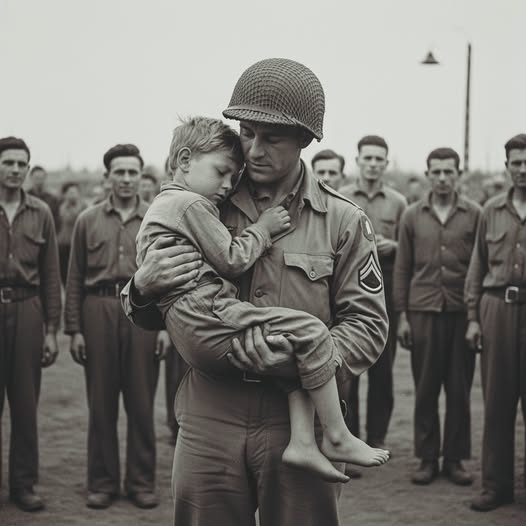
    Among the rubble of despair, one soldier found a boy. He was emaciated, his ribs visible beneath torn clothing, his face pale and fragile, his eyes haunted. When the GI bent down to lift him, the child whispered in German, voice trembling: “Don’t put me down, please.”

    The soldier, young himself, perhaps only in his twenties, pressed the boy to his chest. He did not set him down for hours. Through rows of survivors, through the camp’s medical outposts, through the chaos of liberation, he carried the boy until medics could finally treat him.

    That single act of compassion—one man carrying one child—became more than a gesture. It was a symbol of human resilience, freedom, and healing.

    Buchenwald was among the largest concentration camps on German soil. Tens of thousands had perished there through starvation, forced labor, medical experiments, and executions. When American forces entered the camp in April 1945, they were confronted with images that would sear into their memories forever.

    General Dwight D. Eisenhower later urged soldiers and journalists to document everything they saw, saying, “Let the world see what the Nazis have done, for otherwise some day people will say this never happened.”

    For the American soldiers who stood witness, liberation was not only about opening gates—it was about reclaiming humanity. They became the first touch of kindness many survivors had experienced in years.

    In the middle of this vast tragedy, one GI found himself cradling a child who seemed too light, too fragile to survive. The boy’s plea—“Don’t put me down”—was more than a request for physical support. It was a cry for safety, for love, for reassurance that life was still possible.

    The soldier did not speak German, but he understood everything in that child’s eyes. He carried him not as a duty, but as an instinct. The boy clung to his neck, feeling the steady heartbeat of a man who had come as a liberator.

    Hours passed. The soldier’s arms ached, but he never loosened his grip. For the boy, the embrace was more than warmth—it was the first anchor of hope after years adrift in terror.

    That boy survived. After the war, like many orphans, he struggled to rebuild his life. He carried with him memories of hunger, fear, and loss. Yet he also carried a moment of salvation: the feeling of being held, protected, and seen.

    Survivor stories remind us that resilience is not born in comfort but in unimaginable trials. This boy’s survival was not only physical—it was emotional, rooted in a single act of compassion that reminded him he was worthy of life.

    Decades later, at a remembrance ceremony, he stood beside the man who had carried him. The GI was old now, hair white, hands lined with age. The boy—now a man himself—looked at him with tears streaming down his face.

    Both cried. Both remembered. Both understood that on that day in 1945, humanity had returned.

    Liberation is often described in military terms—troops advancing, camps opened, enemies defeated. But its deepest meaning lies in moments like this: a soldier carrying a child, a liberator whispering comfort, a survivor rediscovering what it meant to be human.

    For the GI, the act was instinctive, but its significance lasted a lifetime. He had entered Buchenwald as a soldier of war. He left as a witness to humanity’s darkest abyss—and to the power of compassion to push back against it.

    Today, when we search for inspirational true stories or survivor stories of resilience, hope, and healing, it is because we want to believe that good can emerge even from catastrophe. The GI and the child remind us that history is not just about battles and treaties—it is about human beings who chose compassion in the face of cruelty.

    Their story continues to inspire because it speaks to something universal: the need to be held, the longing for safety, the power of kindness to spark survival.

    At remembrance ceremonies, survivors often speak not only of suffering but of the small acts that saved them—an extra scrap of bread, a whispered prayer, a hand that reached out. For this child, it was the arms of a soldier who refused to put him down.

    When he and the GI embraced again decades later, they embodied more than memory. They embodied a legacy of hope. Together, they showed that even after the most horrific destruction, healing is possible.

    This story, passed down across generations, ensures that the Holocaust is not remembered only as tragedy, but also as testimony to human resilience.

    In today’s world, where millions of children still face war, displacement, and hunger, the story of the GI and the child resonates deeply. It reminds us that one act of compassion can change a life. It challenges us to see beyond statistics and headlines, to remember that history is lived one person at a time.

    We may not all be soldiers on a battlefield, but we each carry the power to hold someone who whispers, “Don’t put me down.” Whether through kindness, advocacy, or support, we can become liberators in our own time.

    The boy and the GI eventually became part of remembrance projects, their story told in schools, museums, and ceremonies. Each retelling is more than history—it is healing. It is a way of giving voice to the silenced, of ensuring that the cries once ignored are never forgotten again.

    The GI once said that carrying the boy was the most important thing he ever did. The boy, later a man, said that being carried was the moment he believed life could continue. Together, they teach us that hope is stronger than fear, and compassion stronger than cruelty.

    The liberation of Buchenwald was not just the opening of gates; it was the reclaiming of dignity, the restoration of hope, the rebirth of humanity.

    In one corner of the camp, a soldier carried a child. Decades later, they stood together, tears streaming, remembering the day the nightmare ended.

    Theirs is not just a war story. It is an inspirational true story of survival, healing, and human resilience. It is a reminder that even in the darkest places, compassion can light the way.

    And so we remember: the boy who whispered “Don’t put me down”—and the GI who never did.

    Note: Some content was generated using AI tools (ChatGPT) and edited by the author for creativity and suitability for historical illustration purposes.
  • The Key in Her Pocket — Warsaw Ghetto, 1943 .US

    The Key in Her Pocket — Warsaw Ghetto, 1943 .US

    The Key in Her Pocket — Warsaw Ghetto, 1943

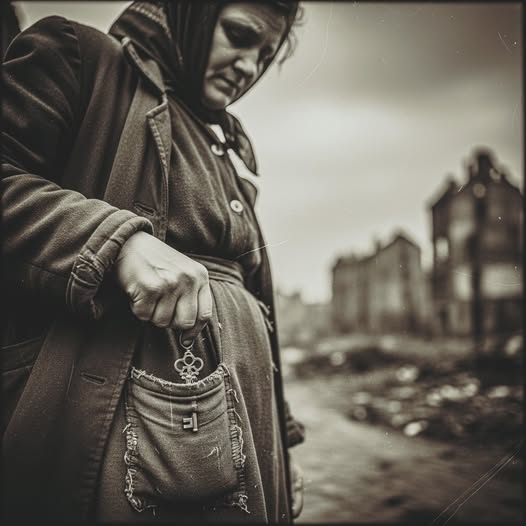
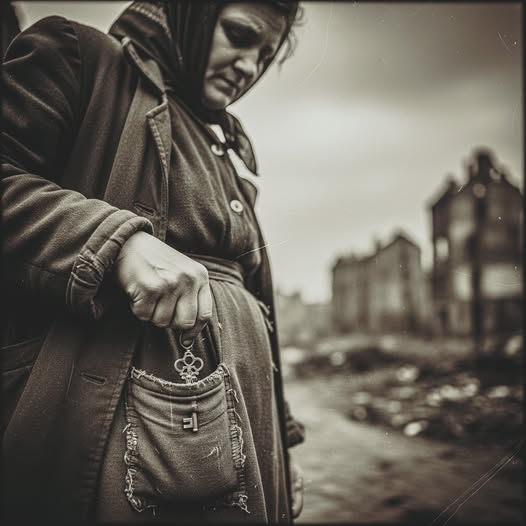
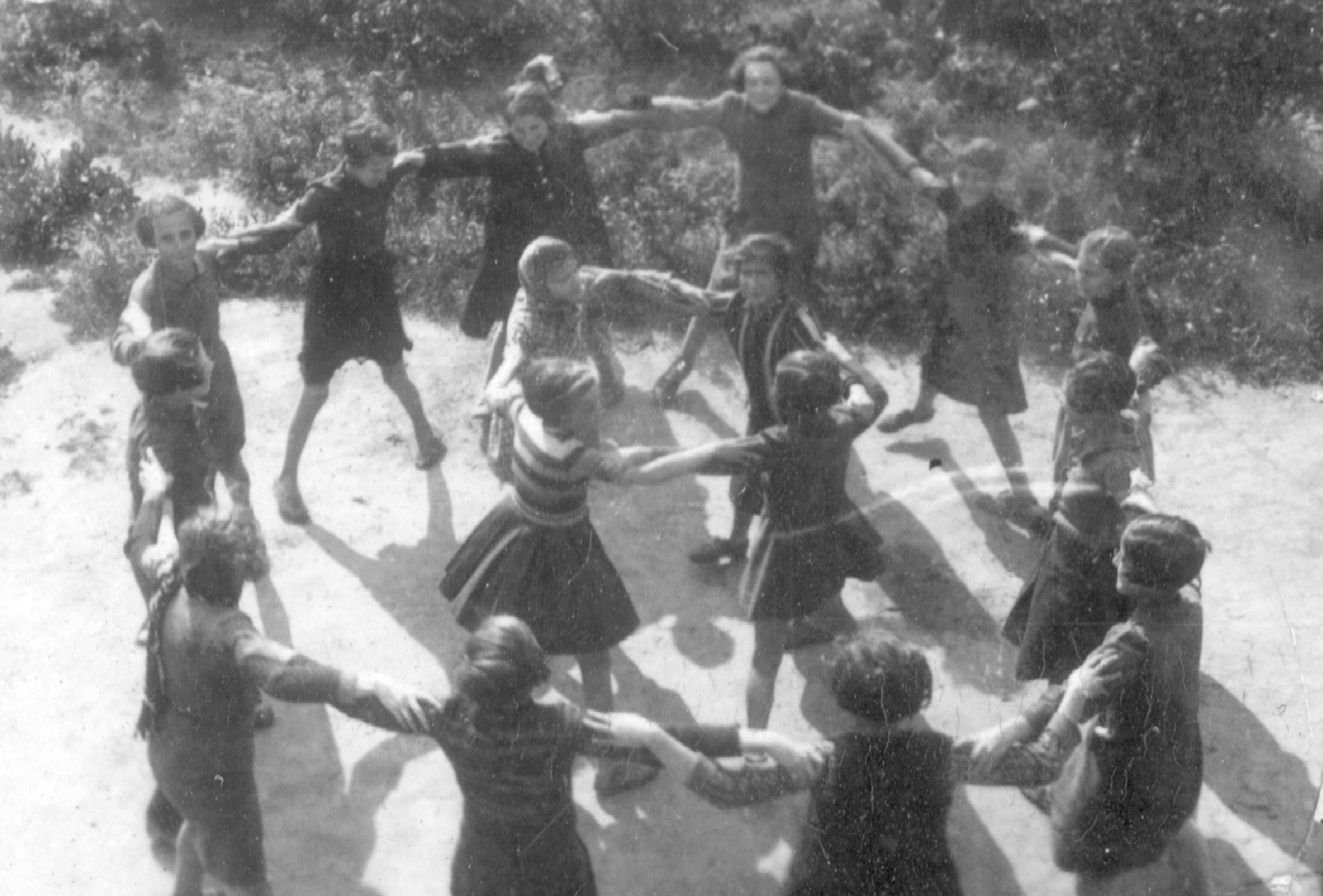
    In the shadows of occupied Warsaw in 1943, as the walls of the ghetto closed tighter around its people, there lived a woman who carried with her a small, rusted key. She kept it tucked carefully into the pocket of her worn skirt, fingers brushing against it each day as though to remind herself of its weight—not only of iron, but of memory, belonging, and hope.

    The key was to her home. Not just any building, but the modest apartment where her children had once laughed, where her husband had played his violin by the window, where the scent of warm bread had once drifted through the corridor. That key was more than metal. It was a promise—a talisman of the belief that one day she would unlock her own front door again, step into her kitchen, and breathe in the air of freedom.

    The Warsaw Ghetto was not a place to live; it was a place to endure. Streets once bustling with commerce and music became corridors of hunger and despair. Families were crammed into tiny rooms, food was scarce, disease rampant. Every day carried the weight of uncertainty: would today bring deportation, or would tomorrow?

    Yet within this despair, people found ways to hold onto fragments of dignity. A mother might mend a child’s coat with scraps of cloth, whispering lullabies into the night. A teacher might conduct secret lessons in a cellar, chalking arithmetic on broken walls. And this woman—who carried the key in her pocket—clung to the ordinary dream of going home.

    In a world where everything had been stolen—identity, security, safety—the simple act of holding a house key became a powerful symbol of human resilience.

    In April 1943, the Warsaw Ghetto Uprising began. Armed with little more than pistols, homemade bombs, and fierce determination, Jewish fighters resisted the Nazi forces who came to liquidate the ghetto. The woman with the key was among those who witnessed this act of defiance.

    She watched as young men and women, starved yet unbroken, rose against impossible odds. Flames consumed buildings, gunfire echoed through the narrow streets. Though the uprising could not stop the destruction, it stood as a statement to the world: we will not go quietly.

    During those days, she pressed the key tighter in her pocket, as though it were a shield. She believed still—despite the flames, despite the fear—that she might one day use it again.

    When the uprising was crushed, when the streets of Warsaw were reduced to rubble and silence, she was taken away with thousands of others. Cattle cars stood waiting. Families were torn apart. In the chaos, her clothes were stripped from her, left behind with the key still nestled in the pocket.

    The trains departed. The key did not go with her.

    Later, among the abandoned belongings, someone found it—a small, rusted key with no door to claim. It was picked up, catalogued, preserved. Today, it rests in a museum, a silent witness to the inspirational true story of a woman who carried hope even into the abyss.

    That key, corroded by time, speaks volumes. It is not just an object; it is a message across generations.

    • It represents home, the most fundamental human longing.

    • It represents freedom, the belief that doors once locked can be opened again.

    • It represents resilience, the refusal to let despair erase memory or faith.

    For her, it was not delusion but survival. To imagine returning home was to give herself something greater than hunger or fear. She believed in tomorrow, even when today seemed unbearable.

    In a world still scarred by war, displacement, and loss, the key in her pocket is a reminder to us all. Across continents, millions are forced to flee their homes, carrying with them the keys to places they may never see again. Refugees in Syria, Ukraine, Sudan, and beyond often hold onto keys just like hers—symbols of return, of identity, of a future still possible.

    Her story echoes across time, telling us that hope is stronger than fear, that memory can outlast violence, and that even in the darkest chapters, humanity endures.

    When we search for survivor stories online—when we look for narratives of strength in the face of unimaginable trials—it is because we crave proof of the human spirit’s durability. We want to believe that resilience is possible, that healing can come even from ruin.

    The woman with the key reminds us that survival is not only about escaping death; it is about carrying forward meaning, faith, and dignity. Her key was not to a house, in the end, but to the idea of home itself.

    Today, visitors to the museum where her key is displayed often pause in silence. There are no words to capture the enormity of what it represents. They lean closer, reading the placard, staring at the corroded shape, realizing that this was once warm in the palm of someone’s hand—a hand that held onto hope with all its strength.

    For educators, the key is a teaching tool. For historians, it is evidence. But for descendants and for the world at large, it is something more: a mirror. It asks us, what would we carry if all else were taken? What symbol would we choose to remind ourselves that life, though fragile, is still worth fighting for?

    The woman herself did not survive. Like so many, her life was taken in the machinery of genocide. But her story lives on in that object, in that memory, in that inspirational true story told again and again.

    She teaches us that even when freedom is stripped away, the act of holding onto hope is itself an act of defiance. She reminds us that even when homes are destroyed, the concept of “home” can never be fully erased.

    Though born of tragedy, her story transcends history. It is about every person who has ever been displaced, every refugee who carries a key around their neck, every exile who dreams of return. It speaks to immigrants who keep photos of villages they may never see again, to soldiers who carry tokens of family across oceans, to survivors of disaster who hold onto a single keepsake amid rubble.

    The key in her pocket is a Warsaw story, but it is also a human story.

    In the end, the rusted key tells us that hope is stronger than fear. It is a reminder that even in the darkest hour, people reach for symbols that connect them to life, to love, to belonging.

    The woman who carried it may never have unlocked her home again, but in carrying it, she unlocked something far greater—the truth that human beings are not defined by what is taken from them, but by what they choose to hold onto.

    Today, as we remember the Warsaw Ghetto and the countless lives lost, we hold her story close. The key in her pocket is not just a piece of iron. It is a beacon. A whisper across time. A promise that no matter how deep the night, the possibility of morning endures.

    Because freedom is not just a condition of the body—it is a condition of the soul. And even when locked doors remain unopened, the hope of opening them can carry us through.

    Note: Some content was generated using AI tools (ChatGPT) and edited by the author for creativity and suitability for historical illustration purposes.
  • The Whisper of Freedom: A Survivor’s Story from Bergen-Belsen .US

    The Whisper of Freedom: A Survivor’s Story from Bergen-Belsen .US

    The Whisper of Freedom: A Survivor’s Story from Bergen-Belsen

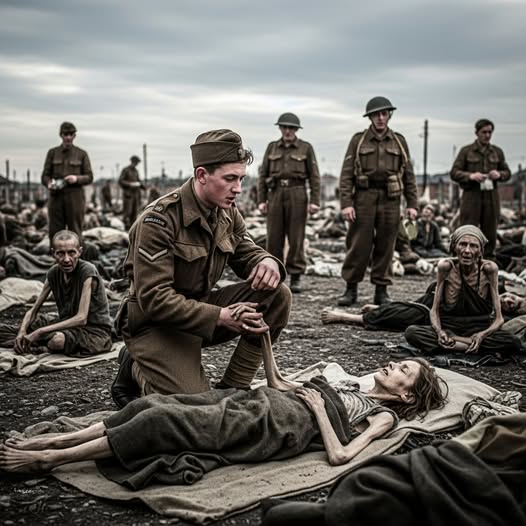
    In 1945, when British forces liberated the concentration camp at Bergen-Belsen in Germany, they encountered a scene of devastation that words can scarcely capture. What awaited them was not the triumphant vision of liberation so often romanticized in films and novels, but a harrowing reality—a landscape of suffering, silence, and survival. Thousands of prisoners, skeletal and near death, lay sprawled on the ground, too weak to move, their eyes sunken with despair yet flickering with the faintest ember of hope.

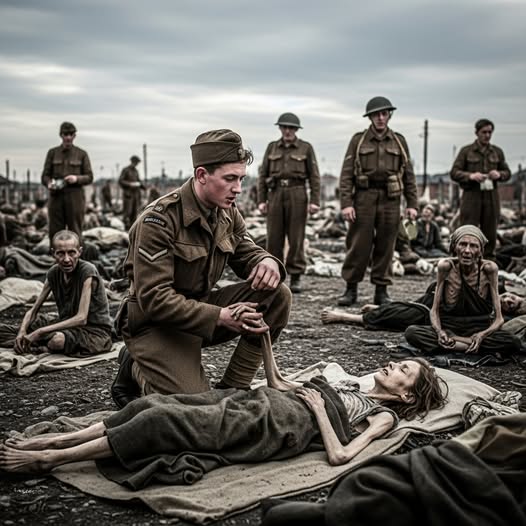
    Among them was a young girl, her body ravaged by typhus, her spirit battered by years of unimaginable torment. She could barely lift her head, her lips cracked and dry, her voice a trembling whisper: “Am I alive?”

    It was a question that spoke to the very heart of existence. In that moment, the line between life and death was as thin as the air she struggled to breathe.

    A British soldier, barely older than a boy himself, knelt beside her. His uniform bore the dust of battle and the exhaustion of a long campaign, but in his eyes was a profound tenderness. He reached for her fragile hand, the bones sharp beneath paper-thin skin, and answered with steady conviction: “Yes. You are alive. And free.”
    The words were simple. Yet in that instant, they became a lifeline.

    The liberation of Bergen-Belsen remains one of the most haunting chapters in World War II survivor stories. Unlike other camps, Belsen had no gas chambers. Instead, starvation, disease, and neglect became the instruments of death. By the time the British arrived, more than 35,000 had perished, and thousands more hovered on the brink.
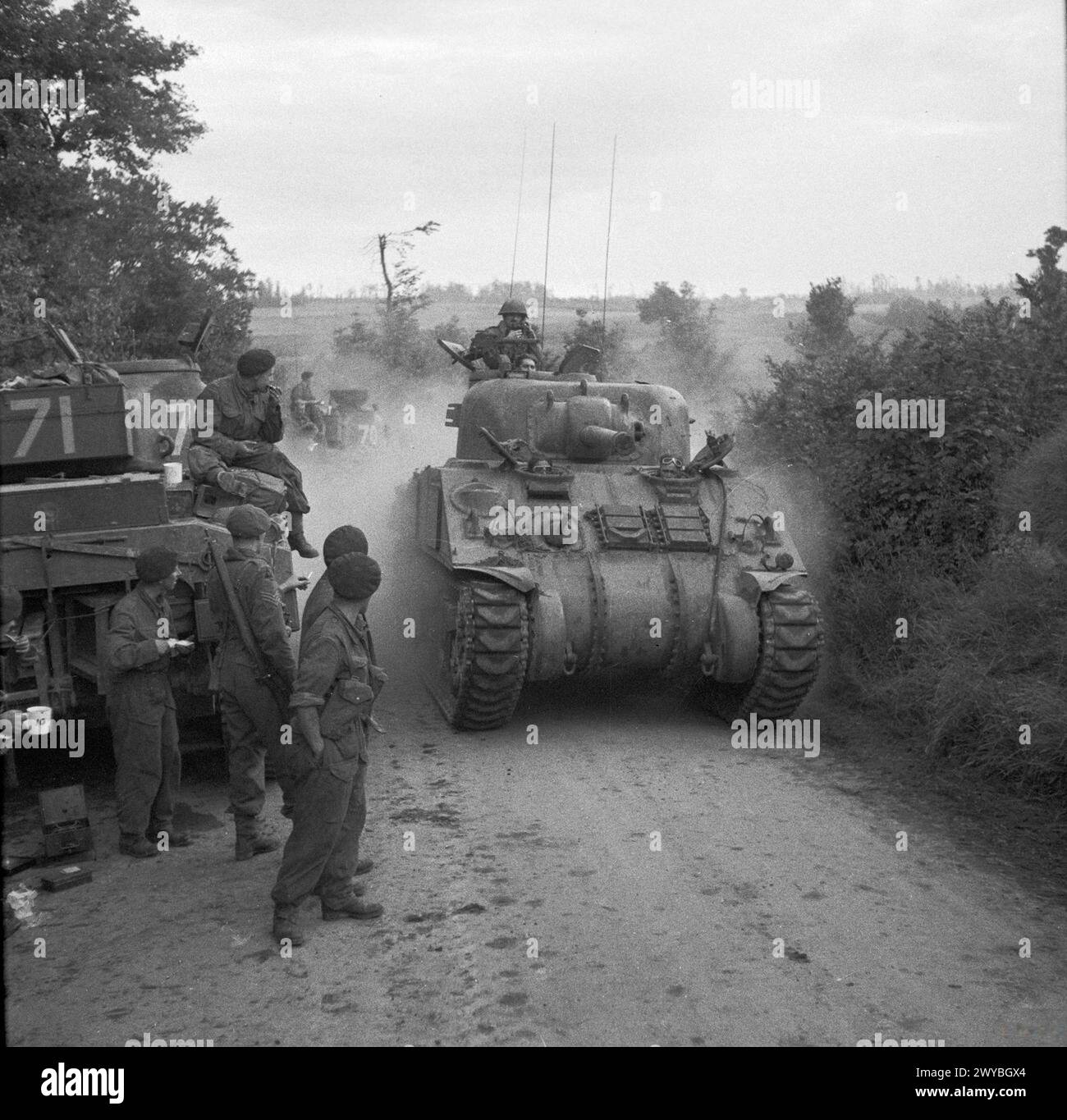
    For the soldiers, many of whom had faced combat across Europe, the sight was unlike anything they had known. Hardened men, trained for war, found themselves weeping at the spectacle of human suffering on a scale beyond comprehension. Freedom had arrived, but it came draped in mourning.

    Yet within that landscape of despair, moments of profound humanity emerged. The soldier’s reassurance to the young girl was not only an act of compassion—it was a declaration that the human spirit had not been extinguished. It was a seed planted in scorched earth, a fragile promise that even after unimaginable darkness, there could be light.

    The girl, whose name history may never fully record, carried that moment with her for the rest of her life. Liberation was not the end of her suffering—disease, trauma, and the scars of memory would linger. But the soldier’s words became a refrain, a mantra that sustained her: “You are alive. And free.”

    Survivor testimonies often reveal this delicate thread between despair and resilience. For some, the difference between surrender and survival was a single gesture—a crust of bread shared, a hand held, a kind word spoken. In Bergen-Belsen, where death seemed inevitable, the power of compassion was a form of resistance, a way of reclaiming dignity stolen by cruelty.

    The young girl’s journey from the dirt of the camp to the uncertain path of post-war life reflects the core of human resilience. Her survival was not just a personal victory—it was a testament to the endurance of hope, the very element tyrants seek to destroy.

    For the British soldier, that day at Bergen-Belsen would mark him forever. Veterans later recalled that what they saw there changed them more profoundly than any battlefield. The act of kneeling beside one broken child symbolized the role of liberators—not just to free bodies from oppression, but to remind souls of their worth.

    History often records wars in terms of strategies, battles, and treaties. But true history lives in moments like this—when one person’s compassion altered the trajectory of another’s life. In that fragile exchange, a soldier’s voice became stronger than the echoes of cruelty, his presence more powerful than the absence left by millions of lost lives.

    Liberation was not the end. For many survivors, freedom was bewildering. Bodies were broken, families lost, homes destroyed. The road to healing was long and uneven. Yet stories like this young girl’s reveal how even the smallest moments could spark renewal.

    Psychologists now speak of post-traumatic growth—the ability of survivors to not only recover but to transform suffering into strength. Holocaust survivors often embody this truth. Despite enduring trauma, many rebuilt lives, raised families, shared their stories, and became beacons of resilience for future generations.

    The girl from Bergen-Belsen grew into a woman who carried scars yet refused to let them define her. She lived not only because she was freed, but because in that moment of near death, someone affirmed her humanity. She had been seen, heard, and touched with kindness.

    In today’s world, where conflict and suffering continue to unfold in different corners of the globe, stories from places like Bergen-Belsen remain urgent. They remind us that freedom is not abstract—it is lived, lost, and regained at a cost. They remind us that human dignity is fragile, yet worth defending at all costs.

    SEO aside, these inspirational true stories are not commodities—they are lifelines for our own humanity. To tell them, to read them, is to honor those who lived them and to commit ourselves to ensuring that history’s darkest chapters are never repeated.

    When the soldier whispered, “Yes. You are alive. And free,” it was more than reassurance. It was a rebirth. That sentence bridged a chasm between despair and possibility. It became the first brick in rebuilding a shattered life, the first note in a symphony of survival.

    Think of it: one word—alive—held the power to restore hope. Another—free—rekindled the imagination of a future. Words, so often underestimated, became in that moment stronger than any weapon.

    As we reflect on that day in April 1945, we are left with an indelible truth: liberation was not only a military act, but a profoundly human one. The world witnessed not only the collapse of tyranny, but the resilience of the human spirit.

    Today, when we search for inspirational stories of survival, when we long for proof that hope can endure against the odds, we find it in that young girl’s whisper and the soldier’s reply. Their moment, frozen in history, continues to speak across decades, reminding us that no night is endless, no darkness impenetrable.

    The liberation of Bergen-Belsen was both a tragedy and a triumph. The tragedy lay in the lives already lost, the immense suffering that could never be undone. The triumph lay in the survivors—those who, against all odds, endured.

    Among them, one young girl who whispered, “Am I alive?” received her answer. And in that answer, the world was reminded of what it means to be human.

    Her story, like countless others, is not just about survival. It is about the power of compassion, the resilience of hope, and the enduring truth that freedom, once reclaimed, must never be forgotten.

    Because even in the darkest hours of history, a whisper of freedom can grow into a song that carries across generations.

    Note: Some content was generated using AI tools (ChatGPT) and edited by the author for creativity and suitability for historical illustration purposes.