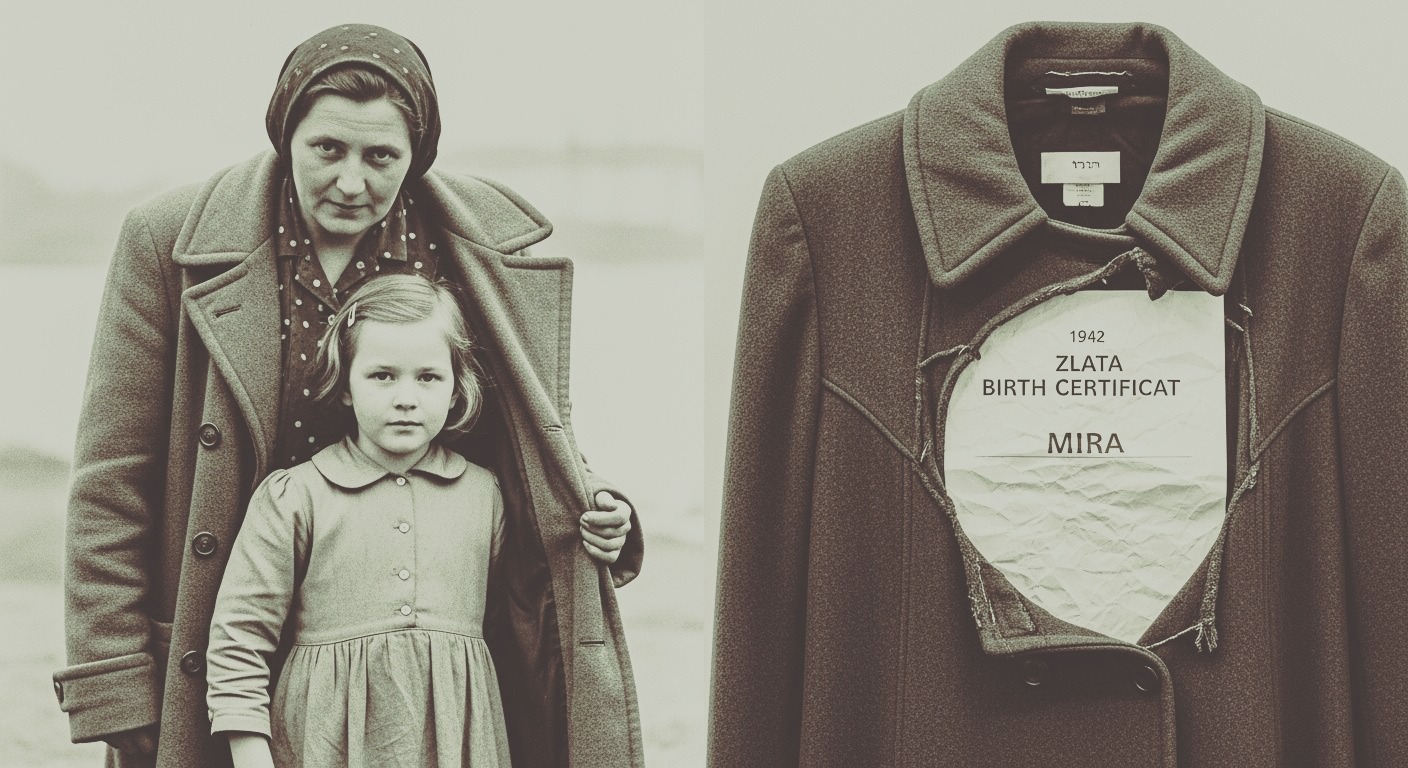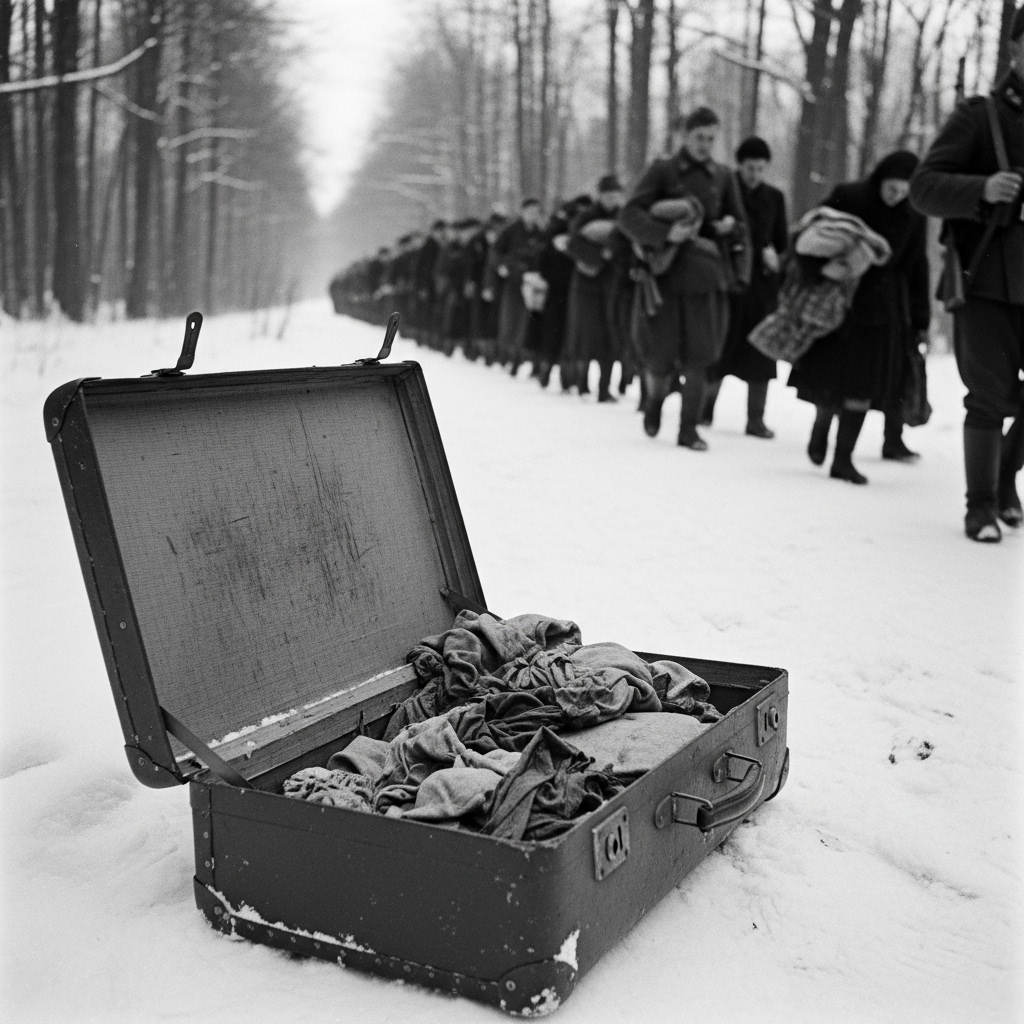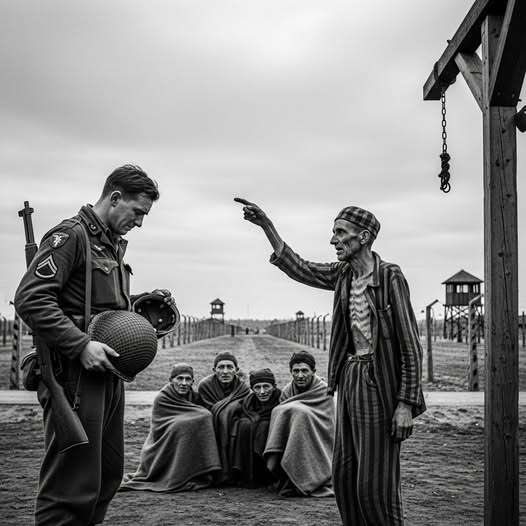
Flossenbürg – the concentration camp where silence turned into a scream. Tribute to heroes and victims

Flossenbürg, a concentration camp in Bavaria, remains one of the most shocking symbols of the atrocities of World War II. Today, a visit to the site reveals rolling green hills and peaceful skies above the ruins of the barracks. Yet, behind this apparent tranquility lie the dramatic stories of people condemned to forced labor, starvation, torture, and death. This site was not only the scene of suffering but also of extraordinary courage and spiritual resilience, and one of its most famous prisoners was the theologian and pastor Dietrich Bonhoeffer.


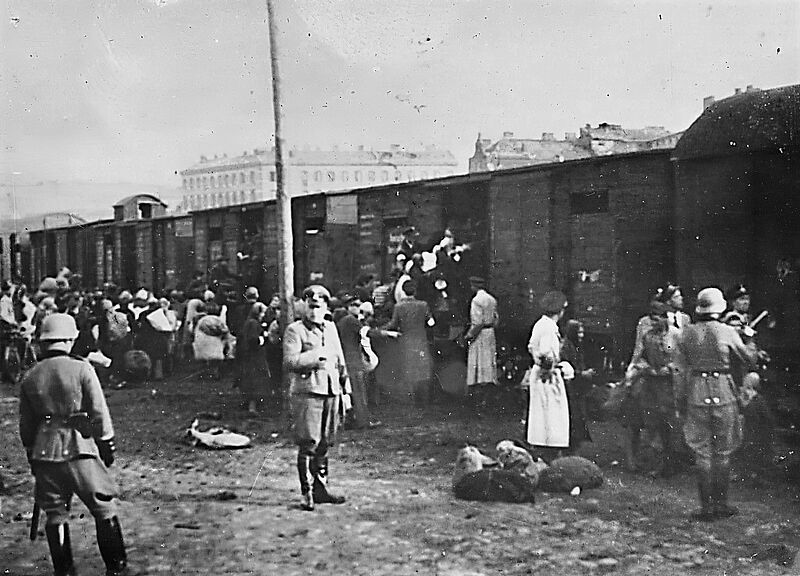
The Flossenbürg concentration camp was established in 1938 near the German-Czech border. Initially intended primarily for political prisoners, it quickly became part of the Third Reich’s system of terror. The prisoners were primarily used for forced labor in granite quarries and armaments factories. The SS knew that hunger, cold, and forced labor would be an effective method of slowly destroying people.
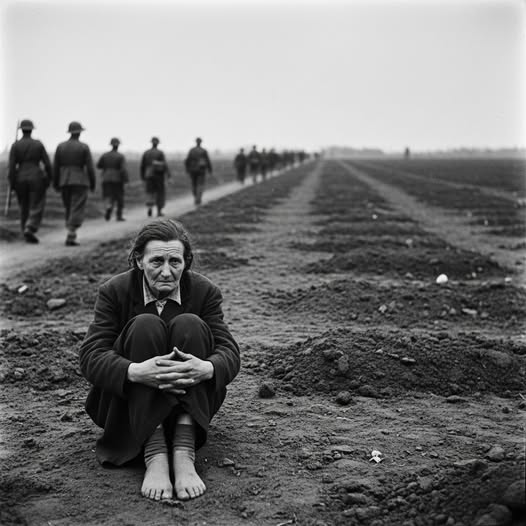
Living conditions in the camp were inhumane. Food, clothing, and medicine were scarce. Executions took place daily, and thousands of prisoners died of exhaustion. Among them were Poles, Czechs, Russians, French, Jews, members of the clergy, and resistance fighters from various European countries. Flossenbürg, alongside camps like Auschwitz and Dachau, has become a tragic symbol of the Holocaust and Nazi genocide.
One of the most prominent figures in Flossenbürg was Dietrich Bonhoeffer , a German Lutheran pastor, prominent theologian, and opponent of the Nazi regime. As early as the 1930s, he openly criticized Hitler and his policies of hatred, and during the war, he became involved in the Resistance.
Arrested in 1943, he was held in various prisons, finally transferred to Flossenbürg in April 1945. It was there that, a few days before the camp was liberated by American troops, Bonhoeffer was hanged. A witness to the execution recalled that the pastor prayed until the end and remained remarkably calm, a testament to his unwavering faith.
His death became a symbol of moral courage and spiritual freedom that no dictatorship could have destroyed. Today, Dietrich Bonhoeffer’s name stands among the greatest witnesses of the 20th century, and his writings continue to inspire those who fight for truth and justice.

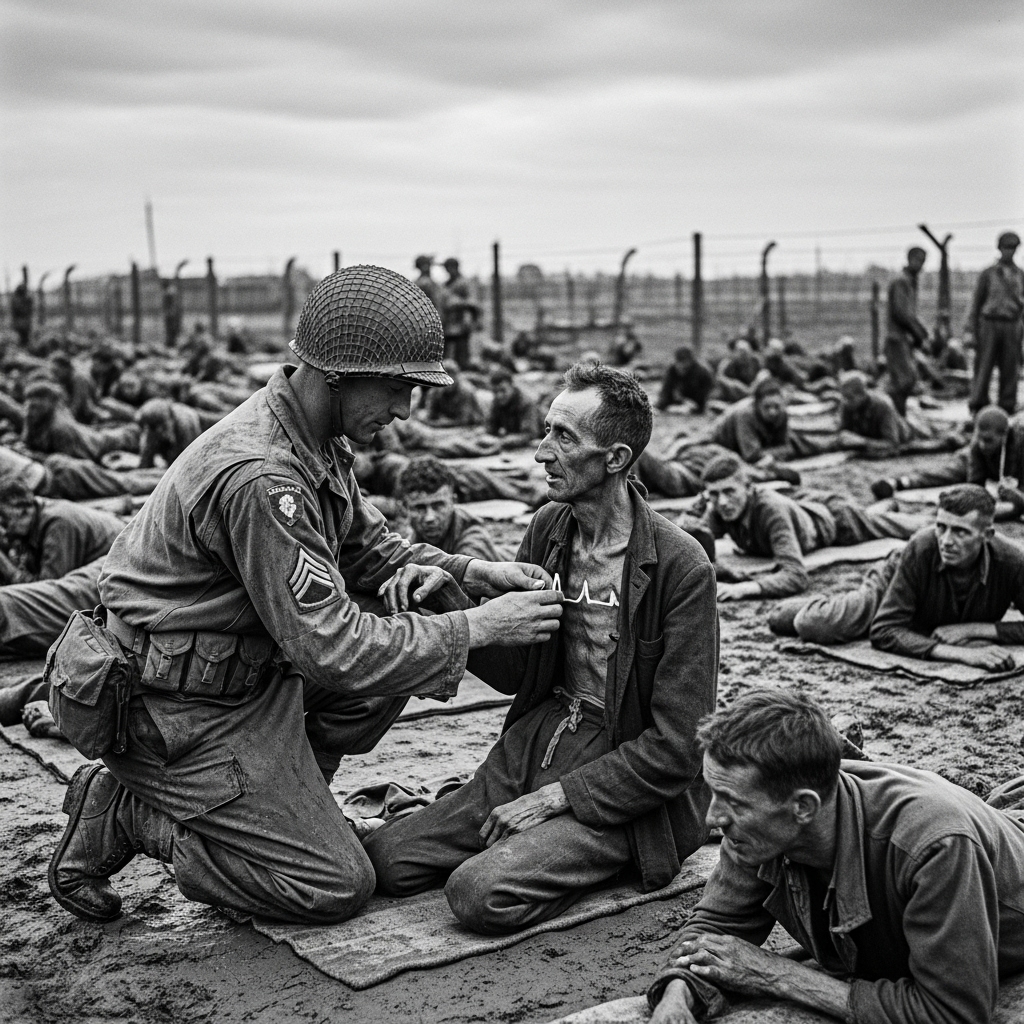
W kwietniu 1945 roku do bram obozu dotarli amerykańscy żołnierze. Było to zaledwie kilka dni po egzekucji Bonhoeffera i innych działaczy oporu. Szubienica, na której odebrano im życie, wciąż stała – milczący świadek brutalności.
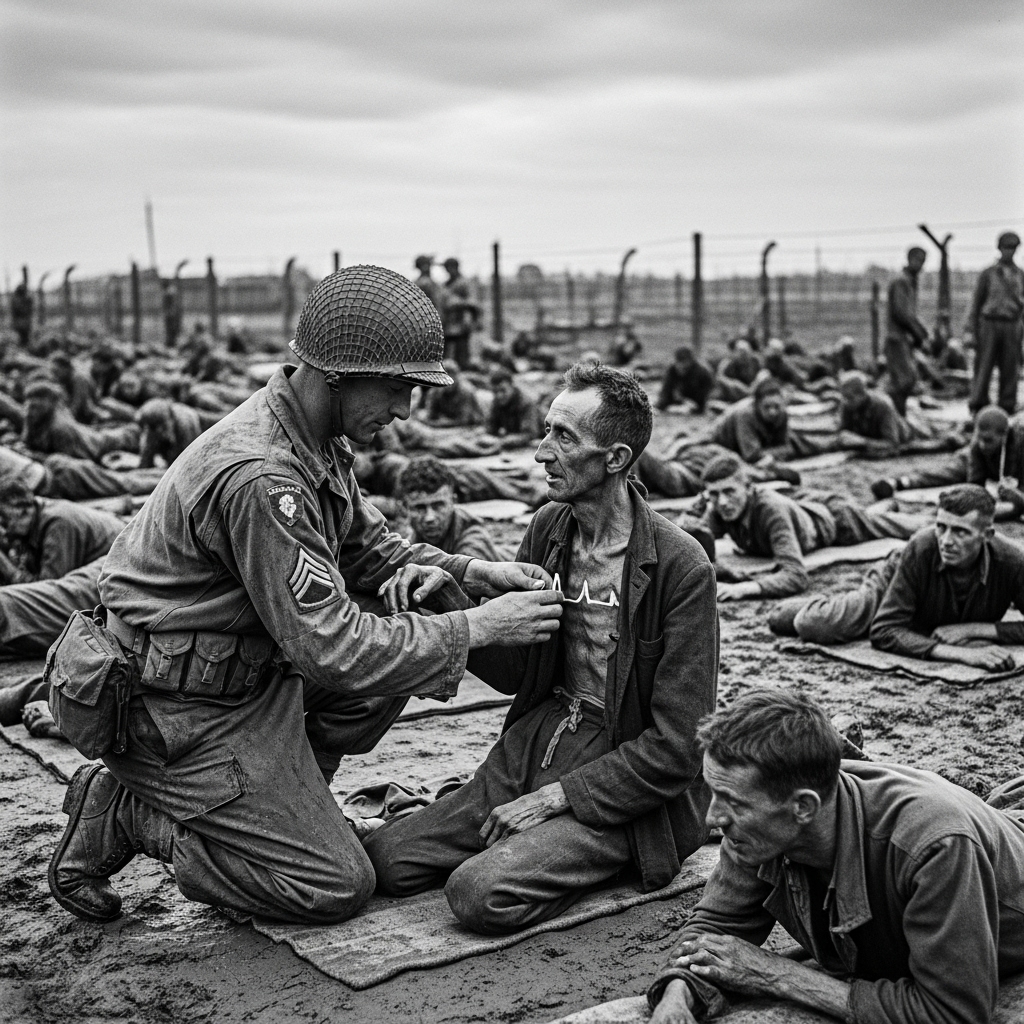
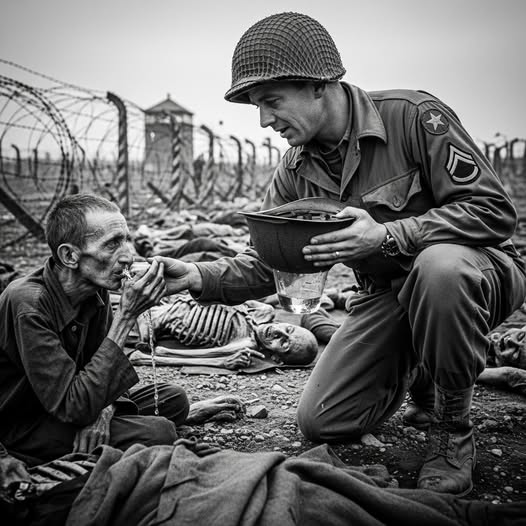
Żołnierzy przywitał widok, którego nigdy nie zapomnieli: wynędzniali mężczyźni, wychudzeni do granic możliwości, z oczami zapadniętymi od głodu i cierpienia. Iden z ocalałych, ostatkiem sił, wskazał ręką miejsce egzekucji i wyszeptał: „You zabili dzielnych” .
To krótkie zdanie, wypowiedziane z głębi ludzkiej rozpaczy, oddawało cały dramat Flossenbürga. Amerykański żołnierz, poruszony tym wyznaniem, zdjął hełm iw milczeniu oddał hołd ofiarom. Ten gestures remain if the symbol is pamięci – prostym, but niezwykle wymownym świadectwem szacunku dla tych, którzy nie ugięli się przed tyranią.

Aby zrozumieć, czym był Flossenbürg obóz concentracyjny , trzeba spojrzeć na codzienność więźniów. Dzień zaczynał się od brutalnych apeli, podczas których SS wykańczało ludzi wielogodzinnym staniem w chłodzie. Last but not least, we have the kierowani do pracy – w kamieniołomach lub w fabrykach zbrojeniowych.
Porcje jedzenia były głodowe – kawałek chleba, wodnista zupa. Choroby szerzyły się błyskawicznie, a każdy, kto nie był w stanie pracować, był skazywany na śmierć. Egzekucje odbywały się publicznie – miały zastraszać, złamać resztki woli oporu.
A jednak, mimo tego piekła, więźniowie znajdowali w sobie siłę do solidarityrności. Dzielili się ostatnim kawałkiem chleba, wspierali modlitwą, przekazywali potajemne wiadomości. Your ludzka więź, choć krucha, była fundamentem przetrwania.

Dziś Flossenbürg is my first pamięci, odwiedzanym przez tysiące ludzi rocznie. Zachowane fragmenty baraków, wieże strażnicze i teren dawnego placu apelowego przypominają o losach ponad 100 tysięcy więźniów, z których dziesiątki tysięcy nigdy nie wyszły na wolność.
To nie tylko przestrzeń historyczna – to także moralne wezwanie. Flossenbürg, podobnie jak Auschwitz czy Dachau, uczy nas, że nienawiść i pogarda dla drugiego człowieka prowadzą do najstraszniejszych zbrodni.
Wspominając Flossenbürg, nie można mówić jedynie o cierpieniu. Please note that this is not the case, but it does not need to be replaced. Słowa ocalałego: „You zabili dzielnych” pozostają wciąż actualne. Bohaterskie postawy – jak ta Dietricha Bonhoeffera – przypominają, że nawet w mroku najgłębszej nocy można odnaleźć światło.
Dziś, w czasach, gdy Europa i świat wciąż zmagają się z wyzwaniami nienawiści, przemocy i wojen, Flossenbürg jest ostrzeżeniem i lekcją. To świadectwo, że pamięć musi być żywa, a prawda historyczna – przekazywana kolejnym pokoleniom.
Historia Flossenbürga to historia cierpienia, ale i heroizmu. To be sure of what you are saying, it is important to know that this is the case, that is to say, it is the best way to do it.
The Flossenbürg concentration camp is a place where thousands of people lost their lives, but also a place where testimonies of courage were born that have endured for generations.
May the memory of Bonhoeffer and all the victims of Flossenbürg serve as a warning that never again will man turn against man in the name of hatred and tyranny.
Note: Some content was generated using AI tools (ChatGPT) and edited by the author for creativity and suitability for historical illustration purposes.