Neuengamme: Silent Shadows of Liberation (May 1945)
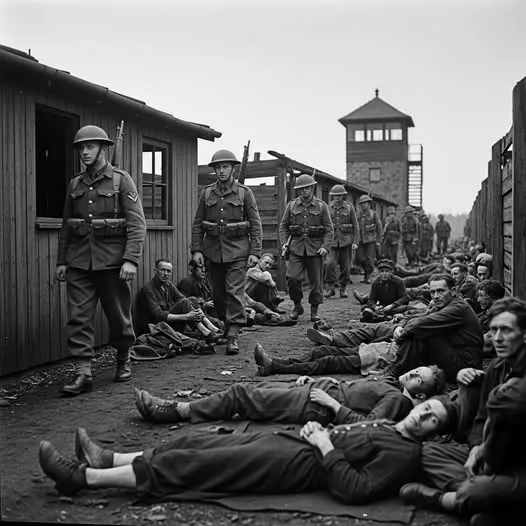
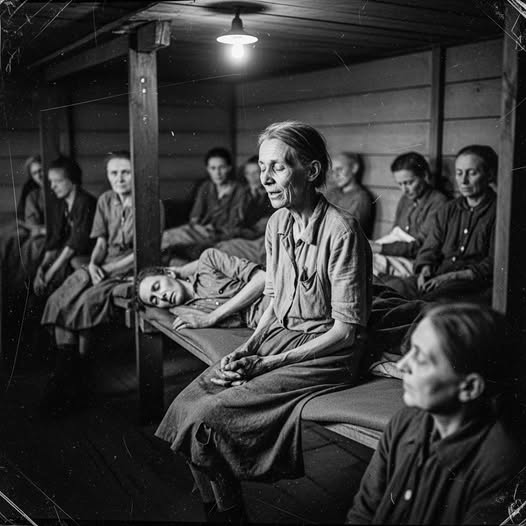
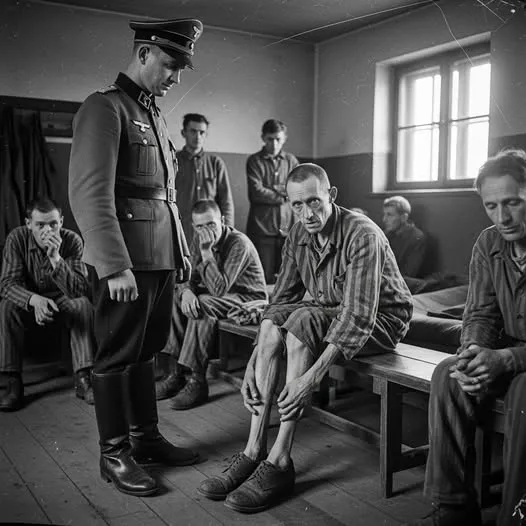
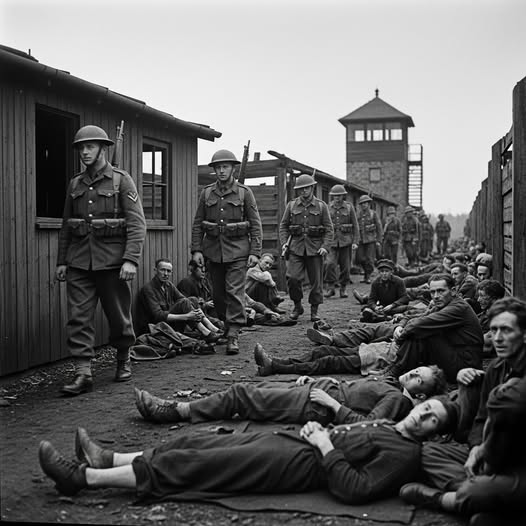
In May 1945, at the end of World War II, British troops approached Hamburg, a city already scarred by bombing and chaos. Amid the ruins of the tottering Reich, they discovered Neuengamme , a Nazi concentration camp of terrifying proportions. What they found surpassed all expectations, even the darkest tales. The camp, emptied of its main population in the preceding days, now became an echo of horror: silent barracks, half-empty bunks, and here and there a single human figure, too weak to obey SS orders.
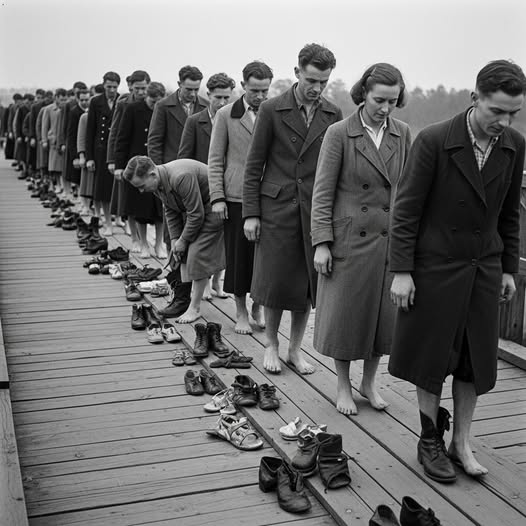
The Nazis, in a final burst of barbarism, ordered the evacuation of Neuengamme. Thousands of prisoners were dragged from their barracks and driven onto the roads in what history would remember as death marches . Under spring skies, but in a Germany that was crumbling, they were forced to walk dozens of kilometers without food or rest. Many collapsed from exhaustion and were shot on the spot. Others, weakened by months of hunger and disease, collapsed on the roadsides, abandoned in indifferent silence. These forced marches were cynically intended to conceal evidence of Nazi crimes before the Allies arrived; they were nothing short of a slow and methodical execution.
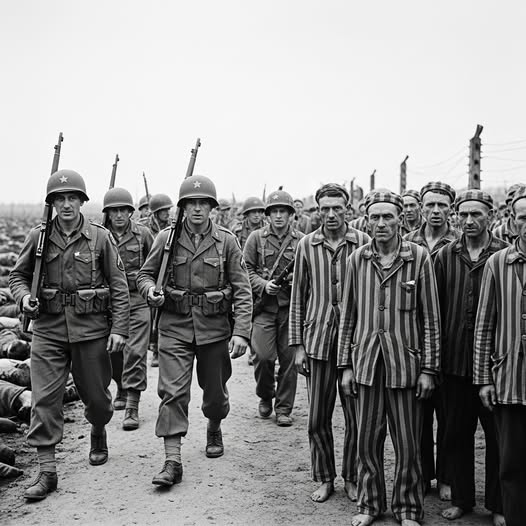
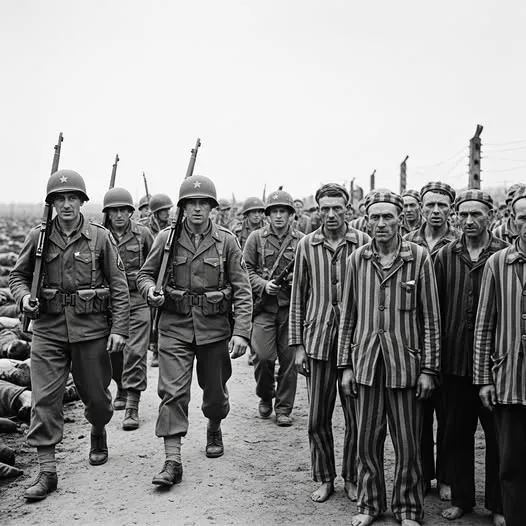
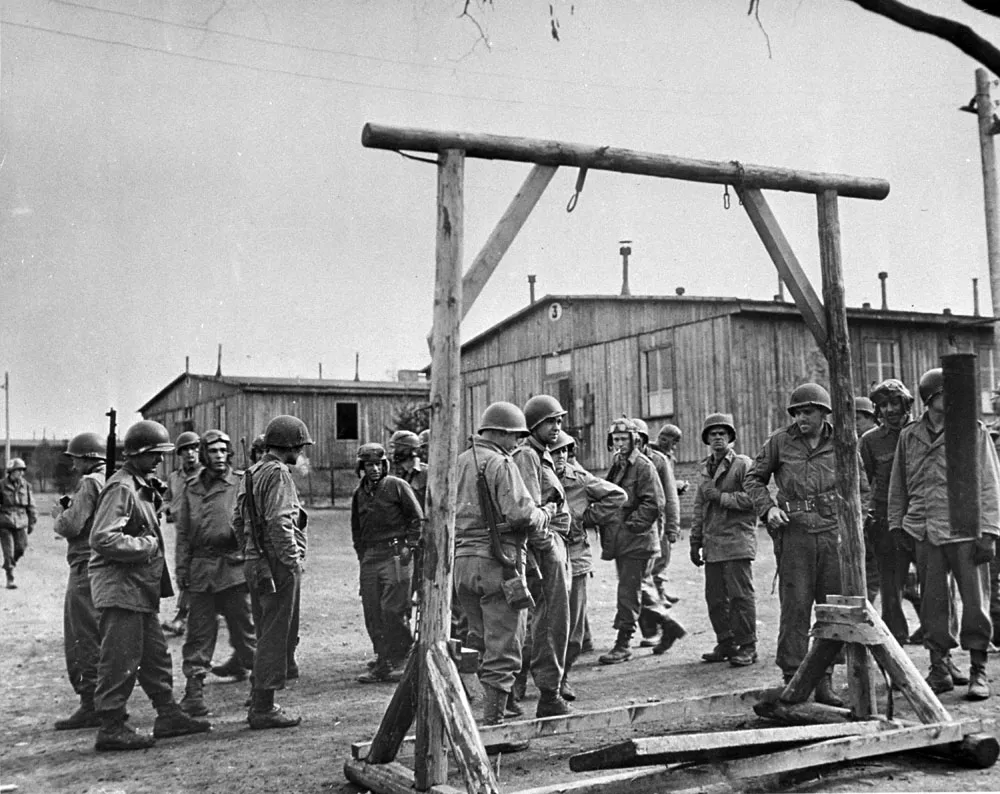
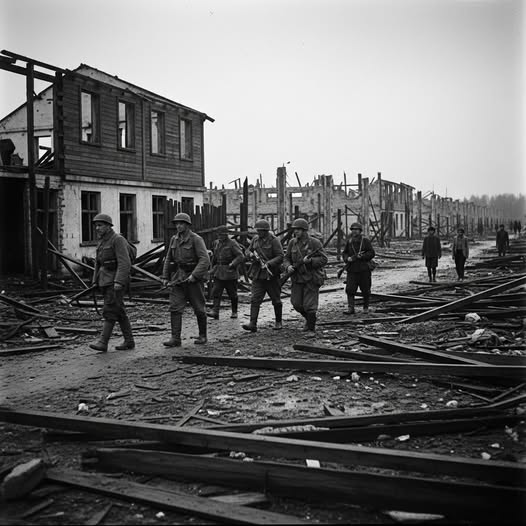
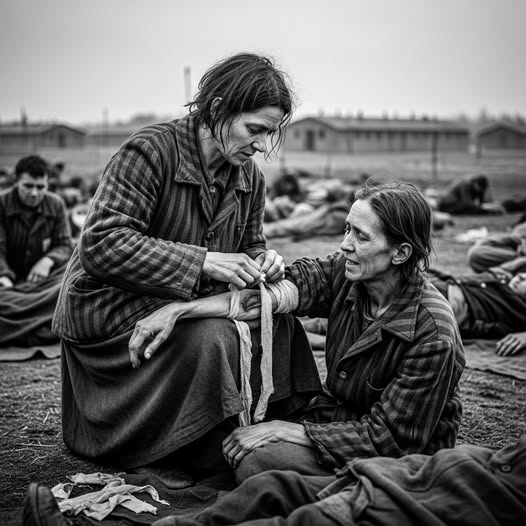
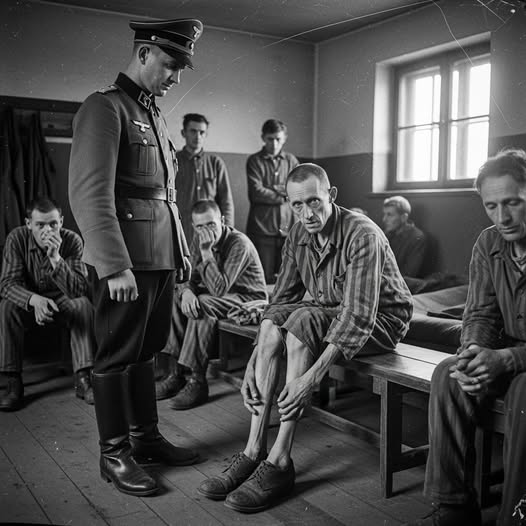
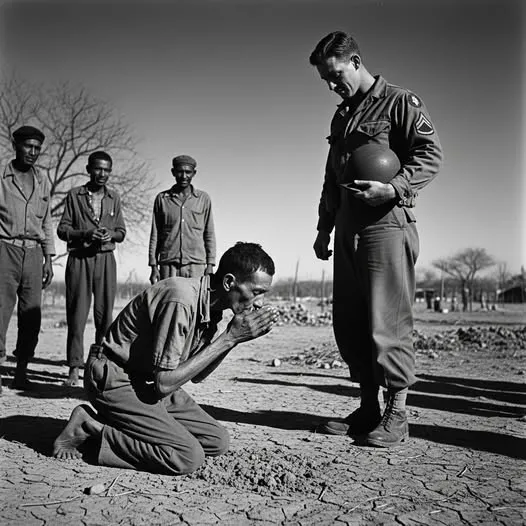
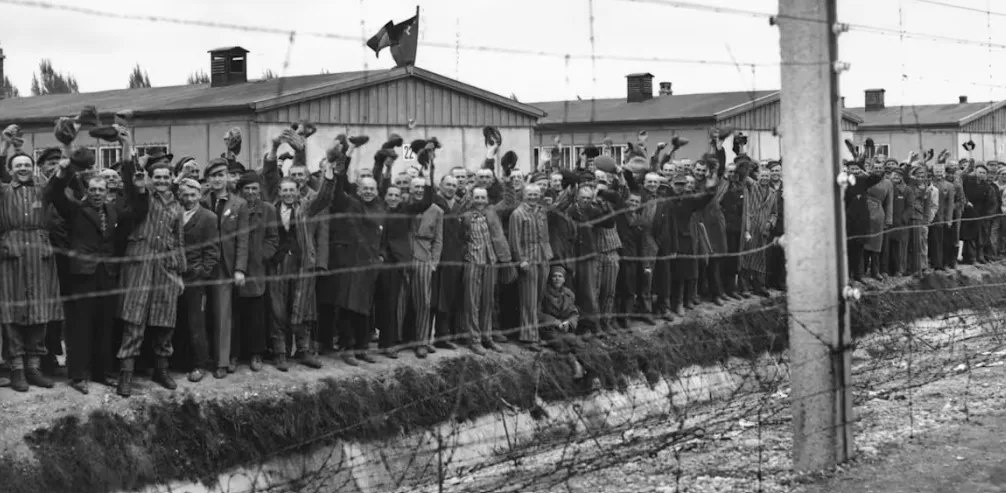
When British troops liberated Neuengamme , the contrast between the camp’s apparent peace and the brutality of the preceding days was striking. Soldiers walked among the wooden barracks and watchtowers, observing people who had become shadows. Some survivors, gaunt and emaciated, barely looked up, fearing that this arrival was just another illusion. One of them, his voice breaking, whispered to a soldier, “The stairs… took them all.” These simple words were enough to sum up the thousands of invisible deaths, destroyed families, and dashed hopes on the roads of northern Germany.
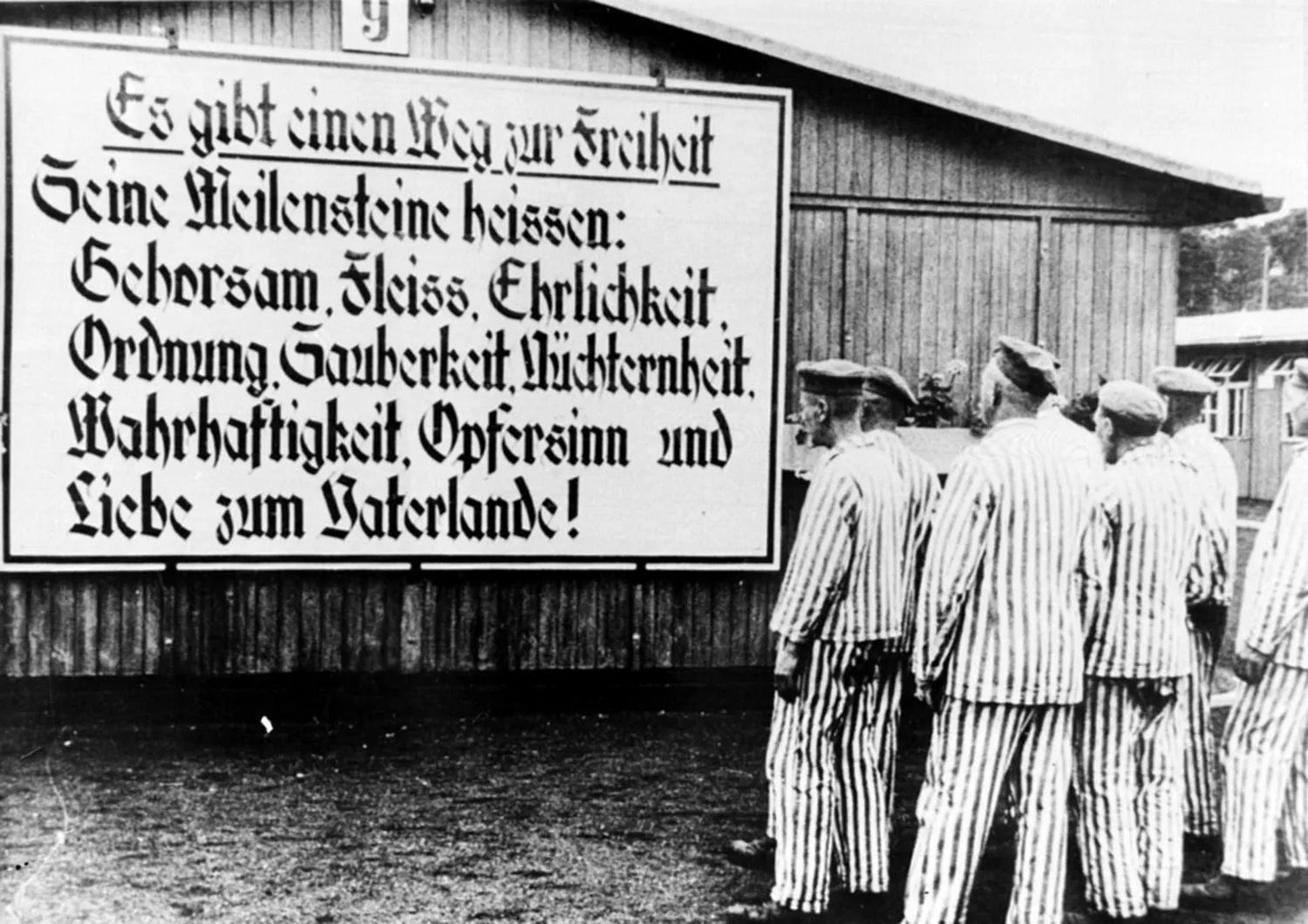
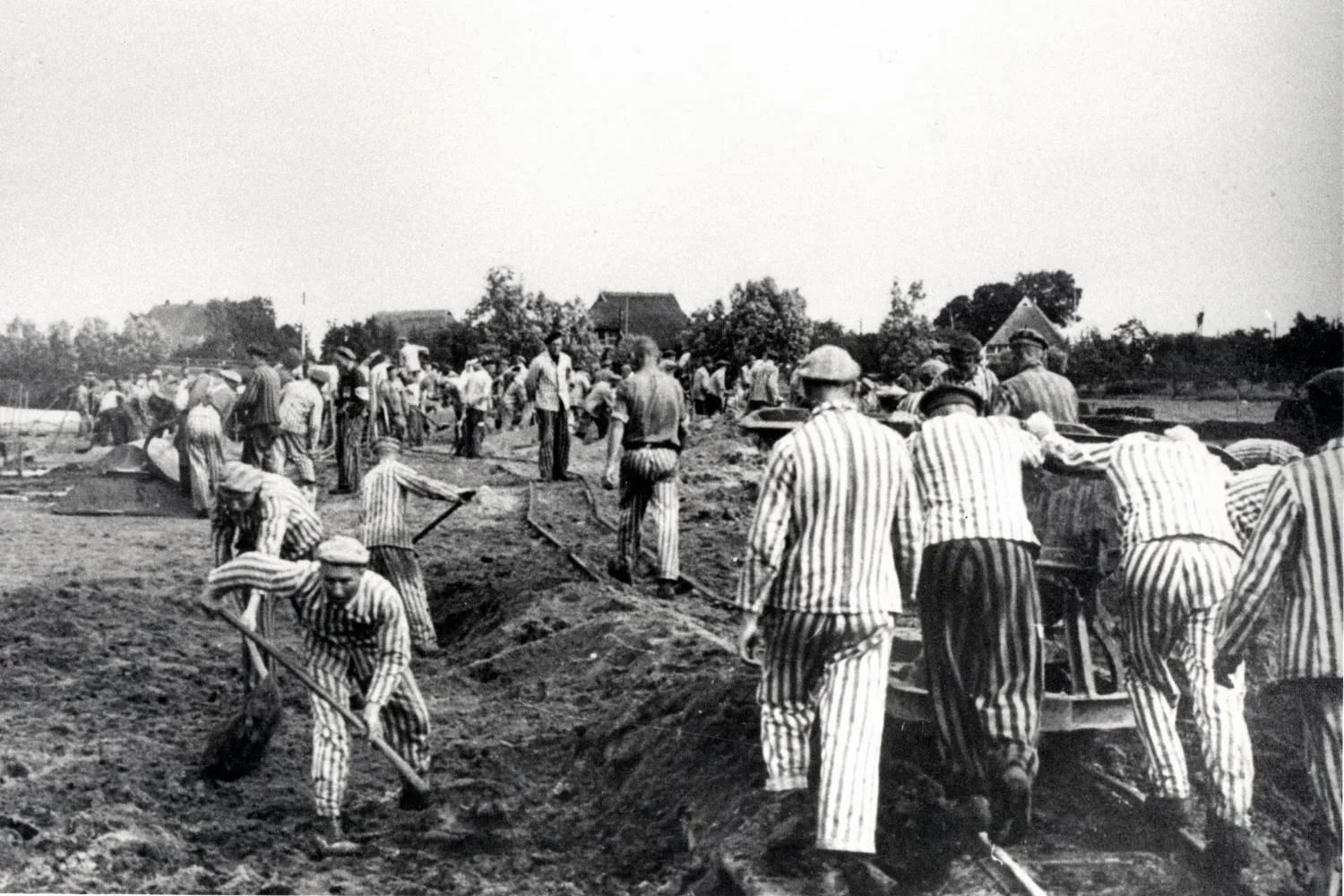
The liberation of Neuengamme was not a moment of spectacular victory, but a painful revelation. The main camp and over 80 auxiliary commandos were the center of brutal exploitation: forced labor in armaments factories, digging canals, and building bunkers. The prisoners—French resistance fighters, Poles, Soviets, deported Jews, and even German political opponents—led lives marked by chronic hunger, disease, and ruthless SS violence. According to historians, over 42,000 people died in Neuengamme and its commandos before the end of the war.
In some barracks, the British found hastily abandoned register books. The inscribed names, sometimes crossed out with a red line, symbolized entire lives erased from the world. The documents revealed mass deportations from the Netherlands, France, and Scandinavia. Witnesses later recounted how, in late April, the SS forced thousands of prisoners onto ships in the Bay of Lübeck, including the infamous Cap Arcona , which was mistakenly bombed by the Allies on May 3, 1945, resulting in the deaths of thousands of innocent people.
For British soldiers, accustomed to the brutality of combat, the horrors of the Neuengamme battle came as a shock. Photographs taken at the scene and reports sent to higher commands testify to the profound trauma. One wrote: “What we saw here is beyond comprehension. This is not just war, this is the deliberate destruction of humanity.” The liberated Neuengamme concentration camp became a symbol: the inhuman cruelty of the Nazi regime and the resulting obligation to remember.
Neuengamme remains a place of remembrance to this day. It has been transformed into a memorial and documentation center to pass on to future generations the memory of the victims and the history of the crimes committed. Permanent exhibitions, audio recordings, and photographic archives tell not only the story of suffering but also the resistance and dignity of the prisoners. The keyword “Holocaust,” often associated with Auschwitz or Treblinka, also resonates strongly with Neuengamme, reminding us that Nazi barbarity was not limited to the most notorious camps.
For SEO and to preserve historical accuracy, it is crucial to recall the context: Neuengamme near Hamburg , liberated in May 1945 by British troops , was the site of death marches and summary executions. These events fit into the broader context of World War II and the Holocaust in Europe , a genocide that claimed the lives of six million Jews, as well as millions of other victims – resistance fighters, Soviet prisoners of war, Roma, political opponents, and homosexuals.
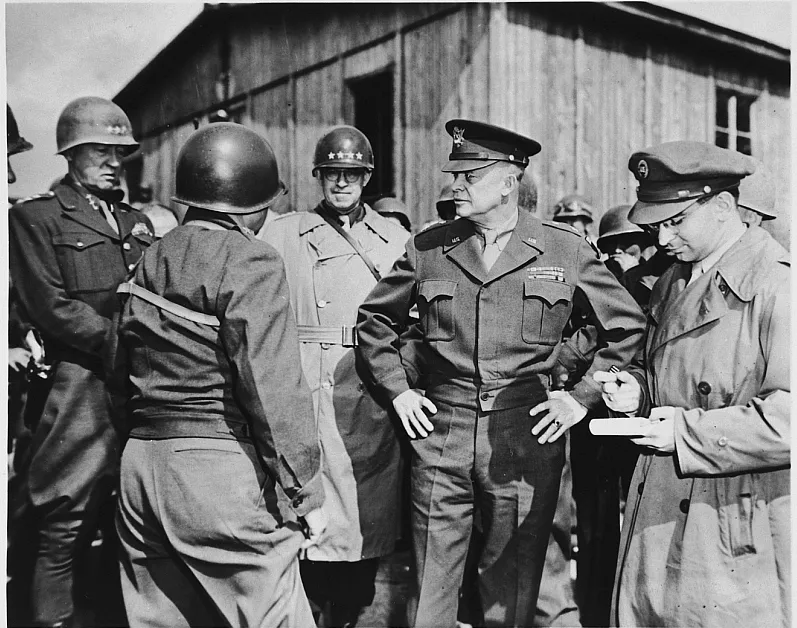
The story of Neuengamme forces us to reflect on the fragility of human values when hatred and extremist ideology take over. It also reminds us of the crucial role of British soldiers who, by liberating these sites, allowed the world to see the scale of the crimes and document the evidence. Without this testimony, some might deny or minimize the atrocities. Dwight D. Eisenhower, after visiting Ohrdruf, declared that every piece of evidence, every photograph, must be preserved, because one day someone will say, “This never happened.” Neuengamme, like Ohrdruf or Buchenwald, embodies this need for remembrance.
Today, commemorative events and educational tours of the Neuengamme Memorial Site allow younger generations to understand the dangers of totalitarianism and dehumanization. Survivors, right up to their final days, returned to tell their stories to high school students and researchers. Their fragile yet resolute voices have stood the test of time to say, “Never forget.”
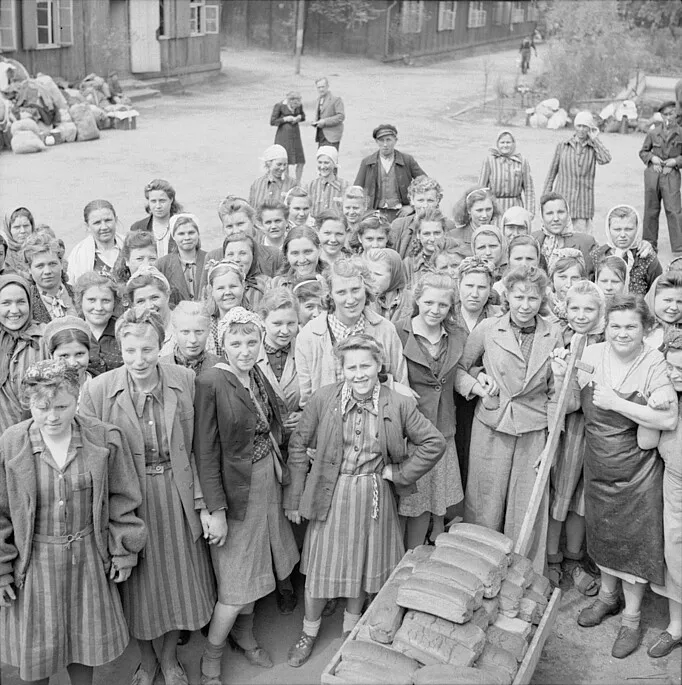
Neuengamme is therefore not just a name on a map or a page in history. It is a warning. The silent barracks, the roads strewn with invisible corpses, the murmurs of survivors… all of this still speaks to us. In May 1945, as the guns gradually fell silent across Europe, the silent shadows of Neuengamme reminded us that military victory is not enough: the battle for memory and justice must also be won.